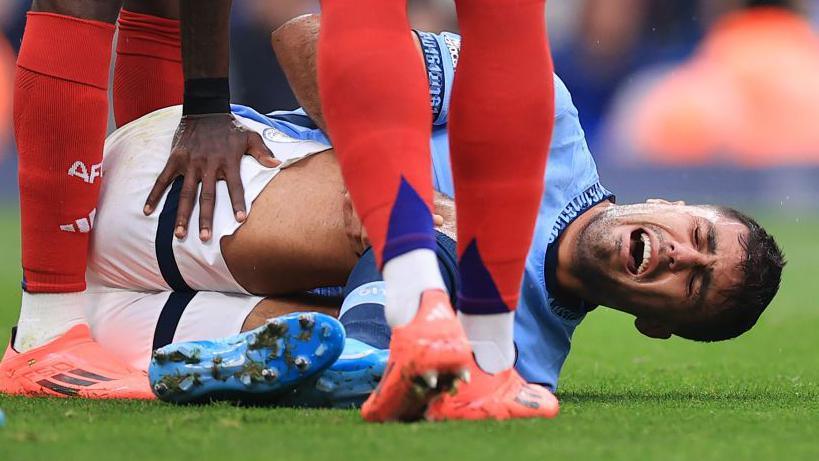
A growing wave of injuries across elite football is raising fresh concerns about the physical limits of the modern game, with experts pointing to an increasingly congested calendar as the primary trigger.
Top players are now featuring in over 60 matches a season, driven by expanded club competitions and relentless international schedules. While the spectacle of the game continues to grow, the human cost behind it is becoming harder to ignore.

Medical research highlights a critical danger zone: when players have fewer than five days to recover between matches, the risk of muscle injuries rises sharply. In many cases, athletes are returning to action before their bodies have fully healed, creating a cycle of recurring setbacks.
At the same time, football itself has evolved into a faster and more physically demanding sport. High-intensity pressing, rapid transitions, and increased sprint distances are placing unprecedented strain on players’ muscles and ligaments. Injuries such as hamstring tears and ACL damage are becoming more frequent as a result.

Beyond the pitch, long-distance travel for international duty is adding another layer of stress. Crossing time zones disrupts sleep patterns and slows muscle recovery, leaving players fatigued both physically and mentally before they even step onto the field.
Young talents are also feeling the pressure. Many are playing significantly more matches at earlier stages of their careers than previous generations, raising concerns about long-term burnout and early career decline.
Clubs now face a difficult balancing act: rotate squads and risk poor results, or rely heavily on star players and increase injury exposure. With governing bodies continuing to expand competitions, critics argue that player welfare is being overshadowed by commercial interests.
Unless meaningful changes are made to reduce fixture congestion and prioritize recovery, the current injury trend suggests the problem may only worsen in the seasons ahead.
BY: Addy Kennedy Edem












0 Comments