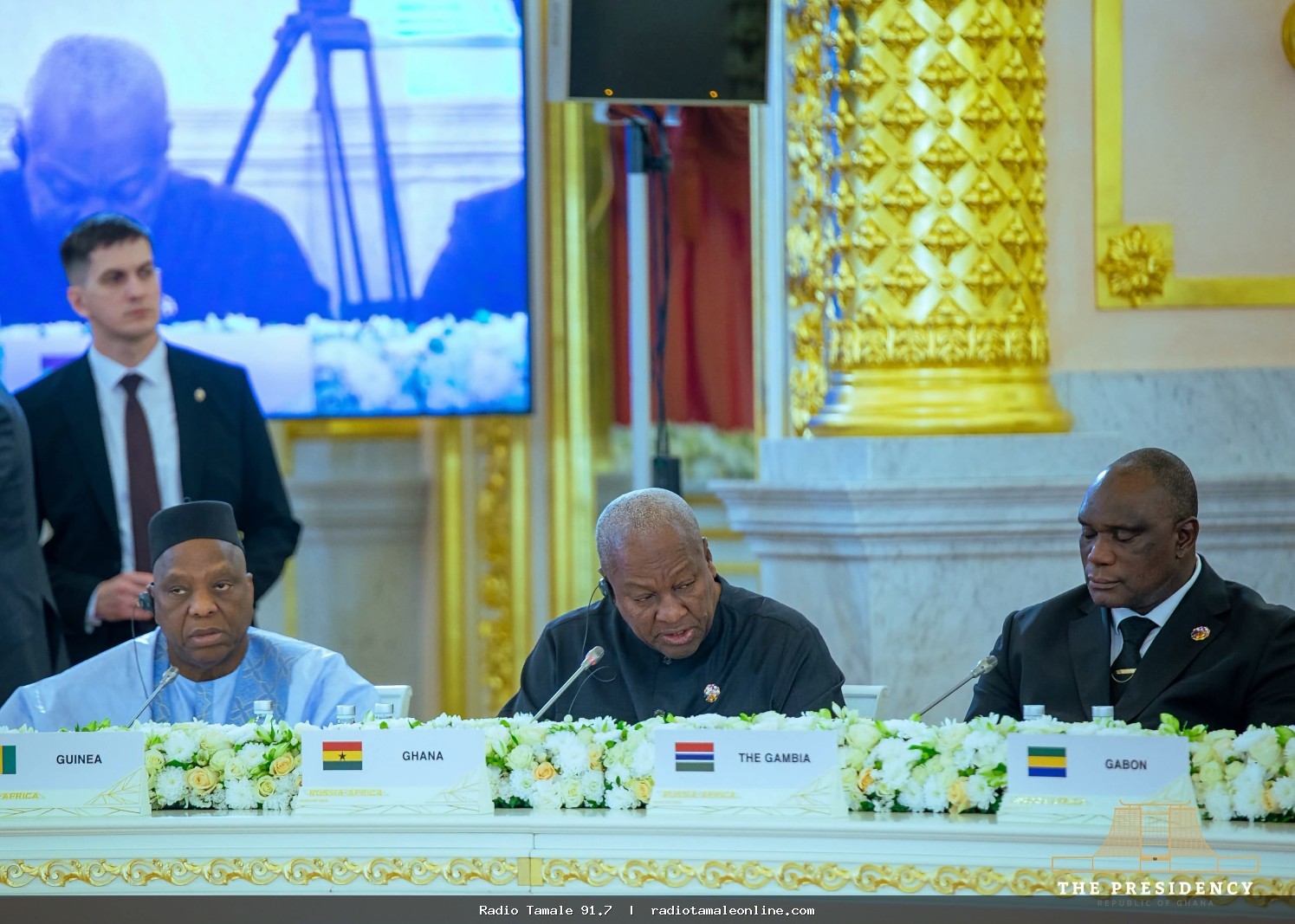
President of the John Dramani Mahama has called for a fundamental shift in Africa’s economic relations with its international partners, urging a move away from long-standing dependence on foreign aid and raw material exports towards sustainable investment and mutually beneficial commercial partnerships.
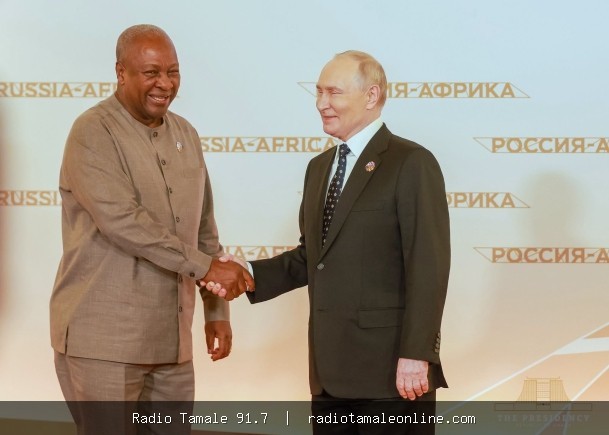
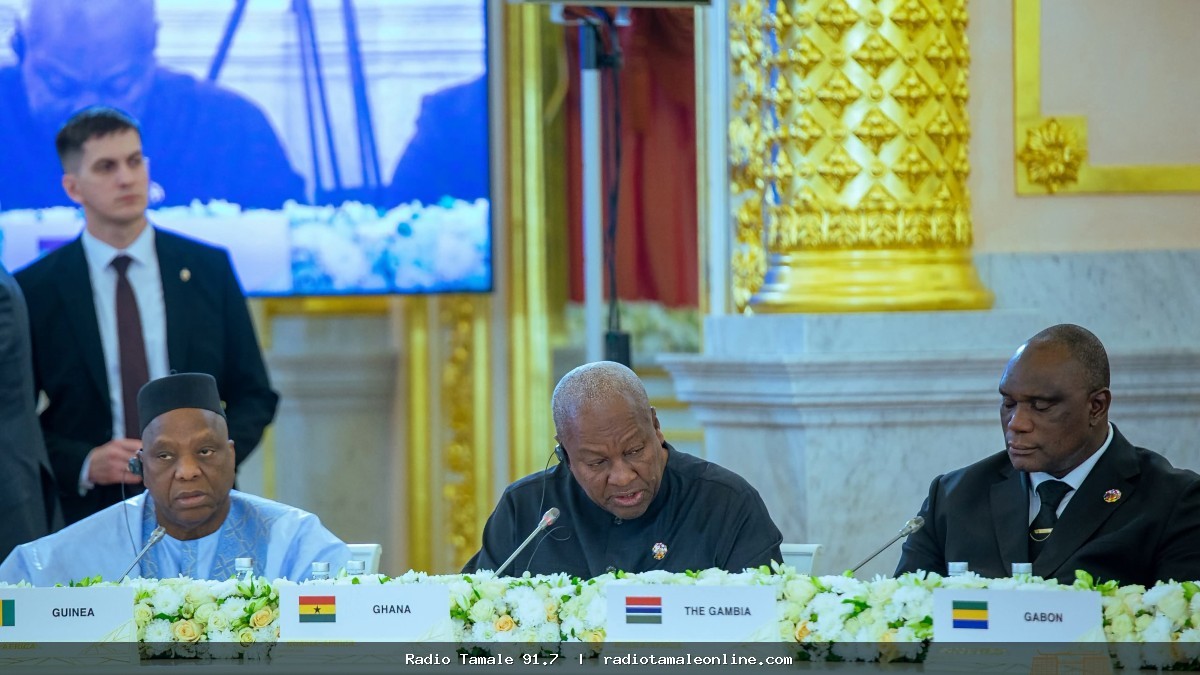
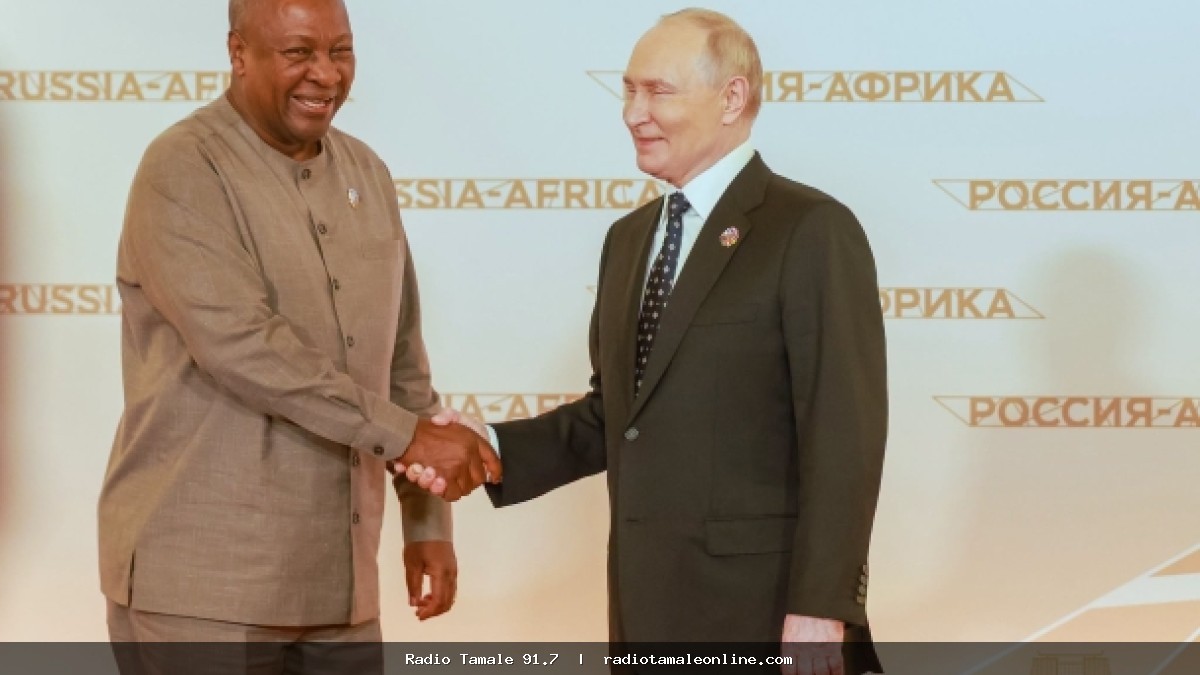
Speaking at the 3rd Russia–Africa Summit in Moscow, President Mahama reaffirmed Africa’s commitment to building economic relationships that deliver equitable, long-term benefits for both African countries and their international partners.
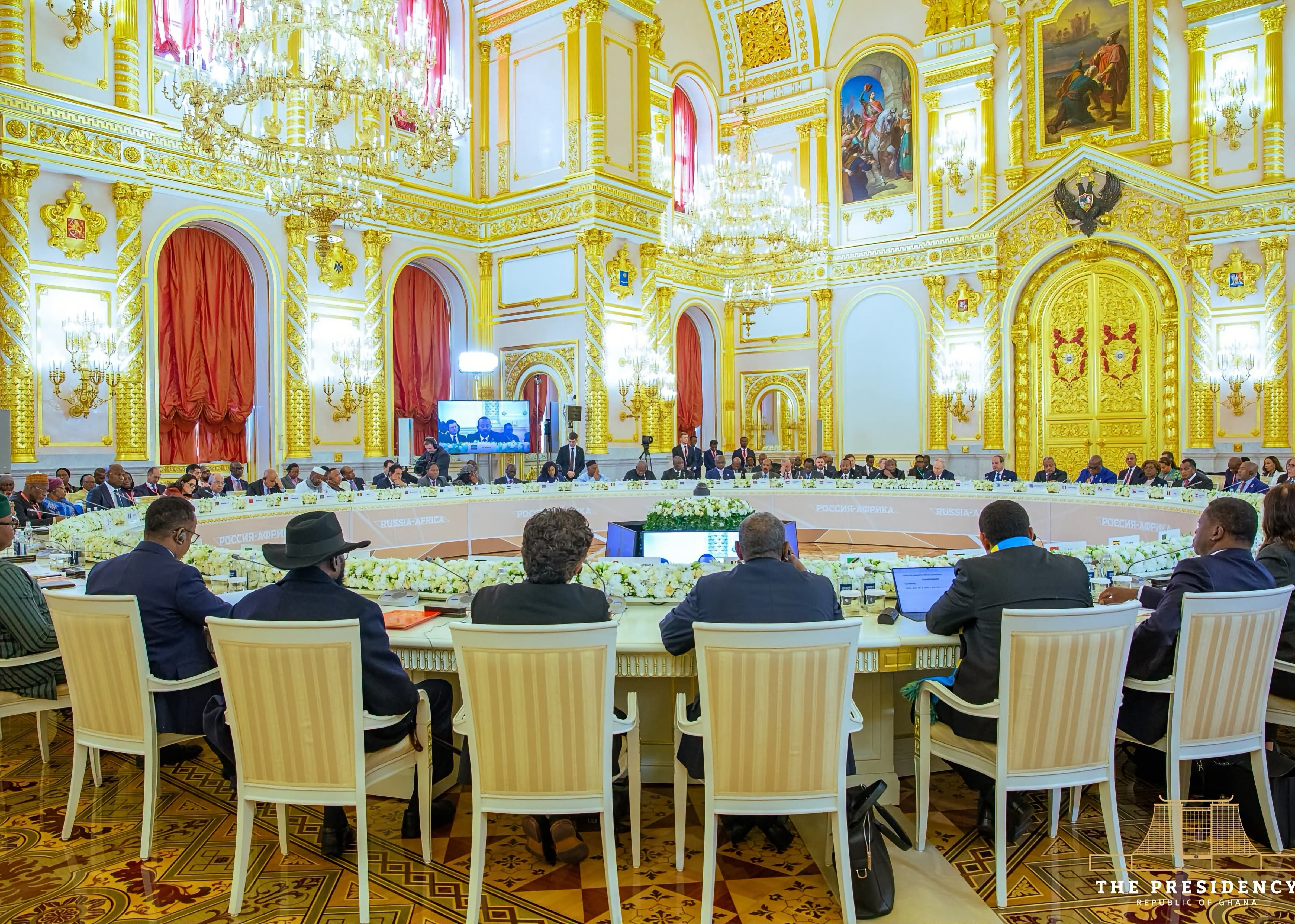
He stressed that Africa’s future development would depend on investment models that promote value addition, strengthen local industries and create opportunities for shared prosperity rather than perpetuating dependency.
According to the President, African leaders are focused on eliminating administrative bottlenecks and translating historical goodwill between countries into strong, sustainable commercial relationships.
“Africa is a continent of the future,” he said, highlighting the significant opportunities available for collaboration between African and Russian businesses.
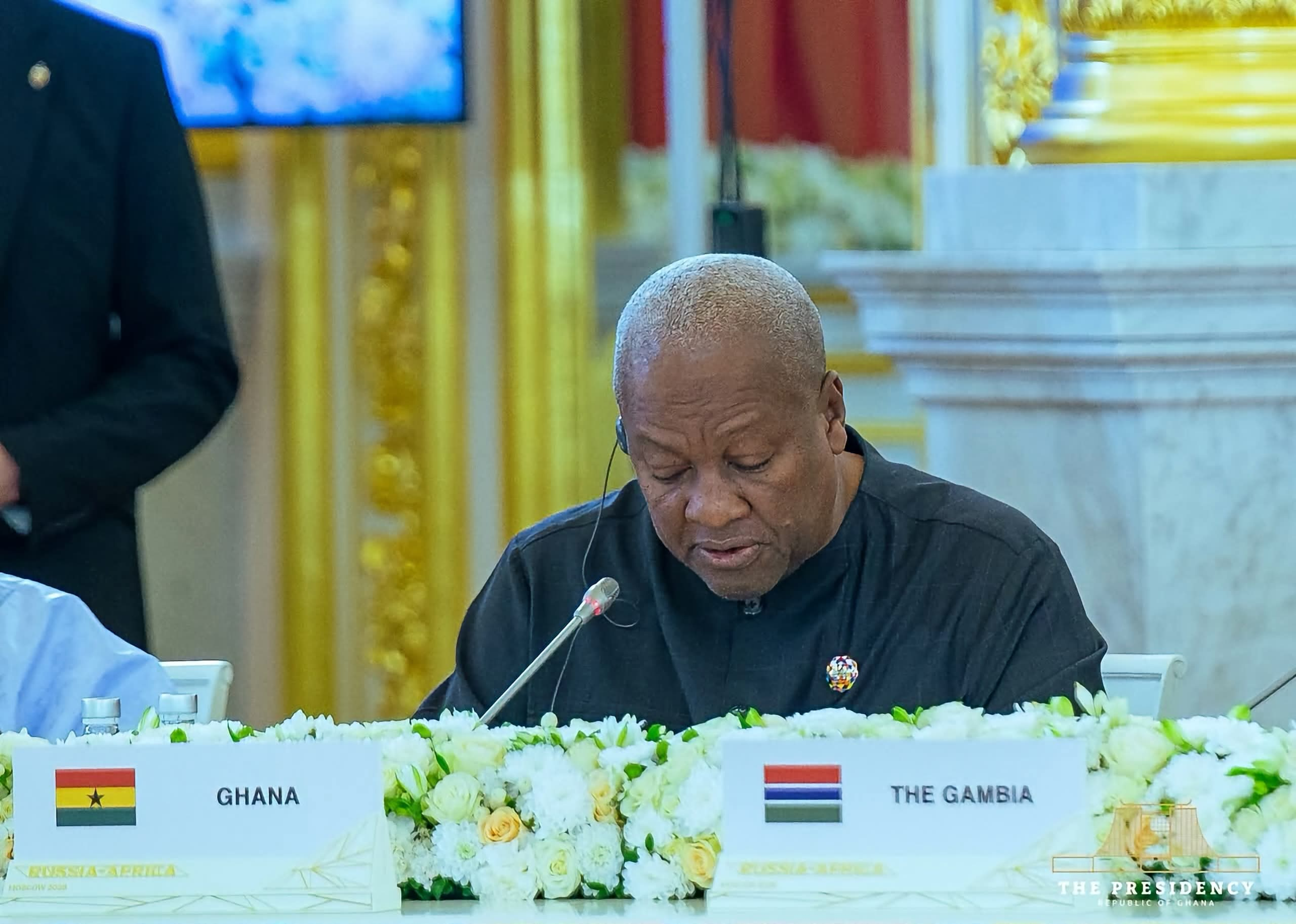
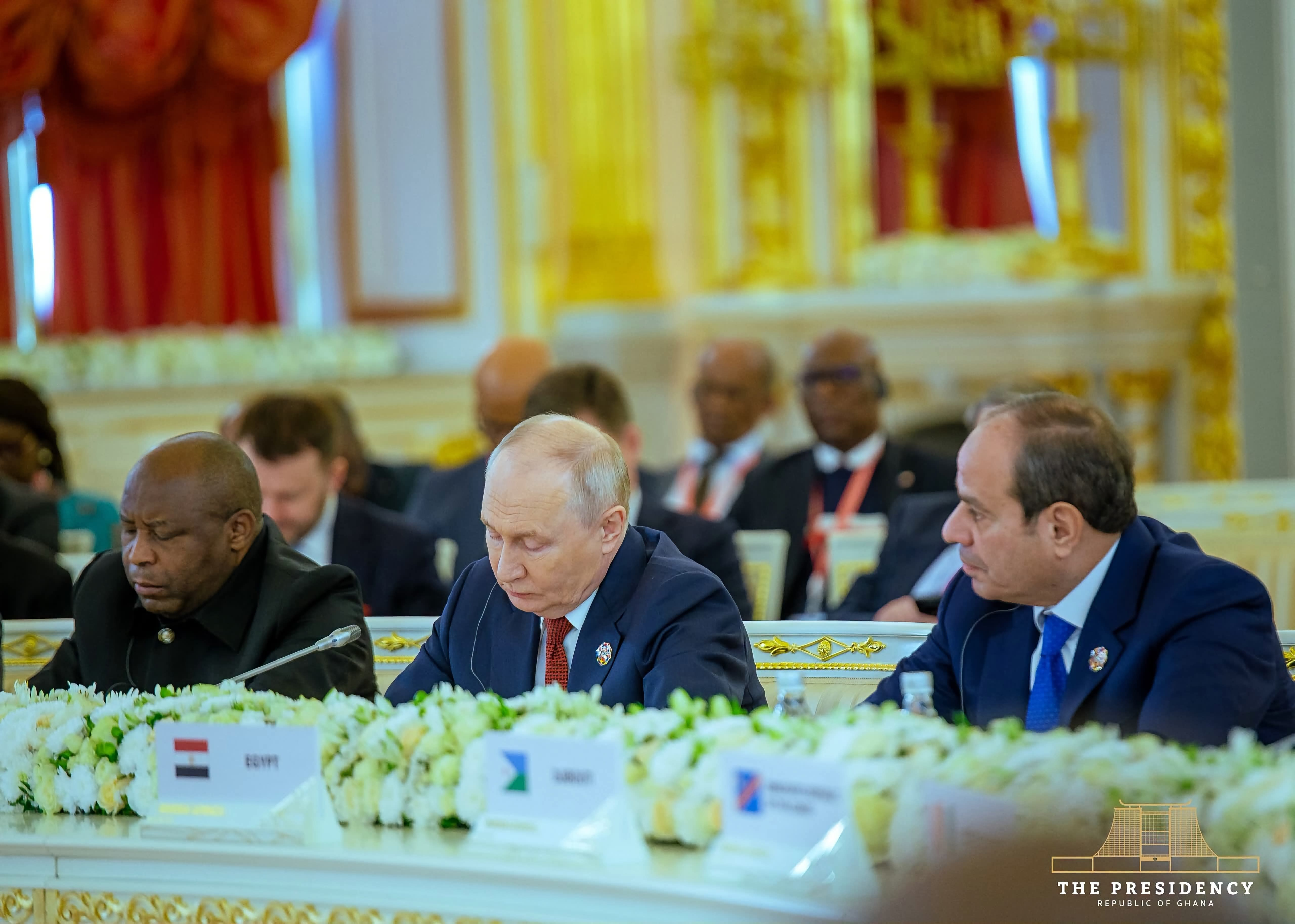
President Mahama identified agriculture, agro-processing, healthcare, energy security and digital services as key sectors with considerable potential for increased investment and cooperation between the two sides.
He noted that strengthening partnerships in these areas could support economic diversification, improve productive capacity and expand opportunities for businesses across both regions.
The President also called for practical measures to address trade imbalances and improve direct access to international markets for African products.
He advocated the adoption of modern trade settlement mechanisms, including the use of local currencies and integrated digital payment systems, to facilitate transactions and potentially reduce barriers to cross-border trade.
President Mahama further underscored the importance of improving market information systems, establishing predictable quality standards and developing resilient logistics networks to make trade more efficient and reliable.
He also called for closer cooperation between African and Russian private-sector actors, emphasising the need to create an environment in which businesses can identify opportunities, establish partnerships and participate more effectively in bilateral and continental trade.
His remarks form part of broader calls for a reorientation of Africa’s international economic partnerships towards investment, industrial development and increased participation in global value chains.
The proposed approach seeks to ensure that Africa derives greater economic value from its natural resources, expands markets for locally produced goods and builds stronger commercial relationships capable of supporting long-term development.
Report By: Robicon Mornahson




0 Comments