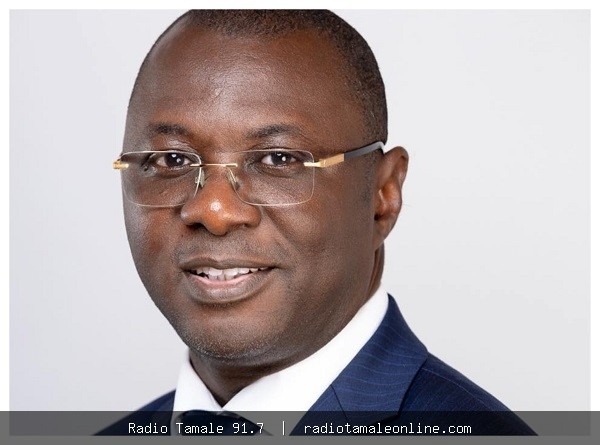
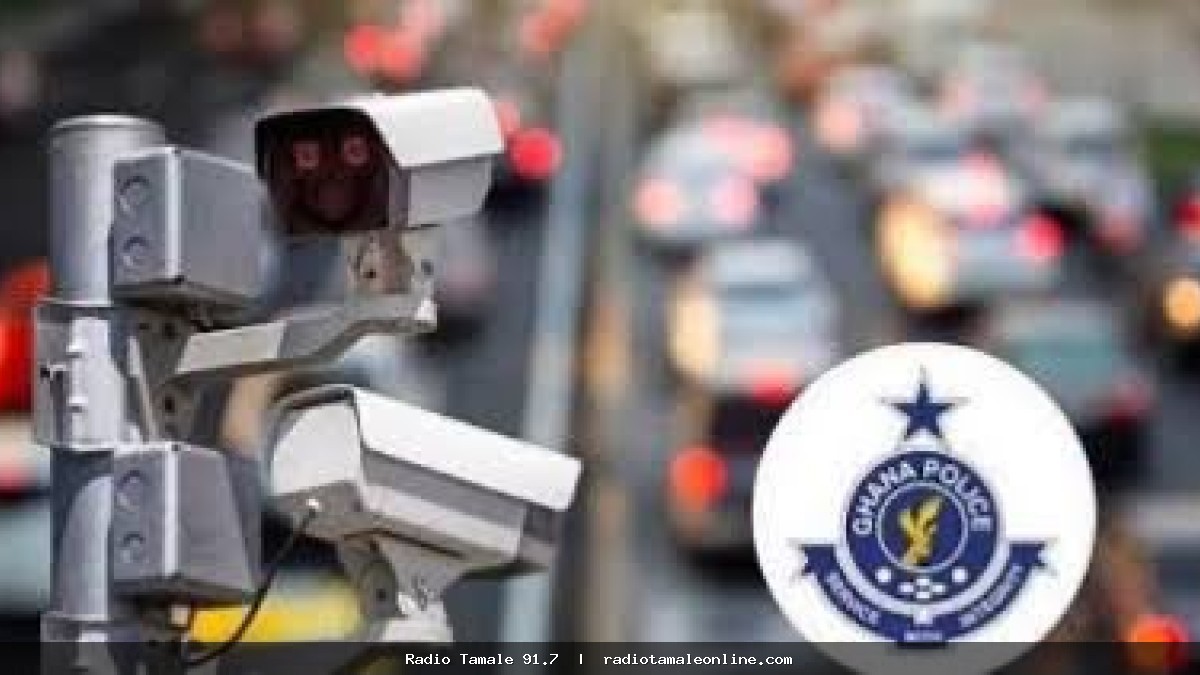
The Director-General of the National Road Safety Authority (NRSA), Abraham Amaliba, has confirmed that the automated road traffic enforcement system, TraffiTech-GH, is currently live and operational in parts of the Tamale Metropolis.
According to him, while the system does not yet cover every street in the Northern Regional capital, surveillance cameras have been mounted and activated at key intersections.
His confirmation comes amid widespread doubts among motorists and residents in Tamale, many of whom had questioned whether the automated system was active due to the perceived absence of visible installations across the metropolis.
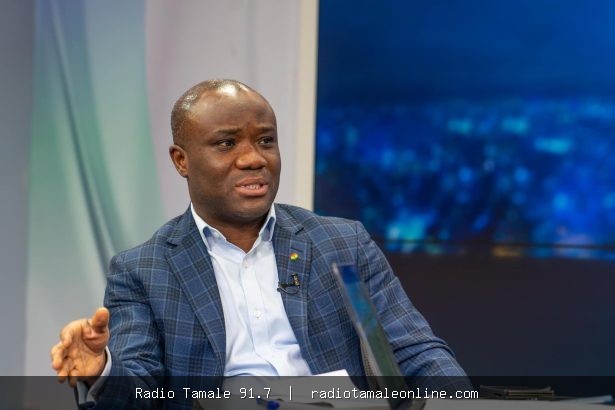
Speaking to Radio Tamale on the sidelines of a stakeholder engagement with transport operators in the Northern Region on Thursday, Mr. Amaliba dismissed the doubts, noting that some motorists in the area have already begun receiving automated notifications for traffic infractions.
“We’ve been told that some people in Tamale have received messages” he confirmed.
Mr. Amaliba further revealed that the NRSA will expand the scope of the automated enforcement system next year to capture two additional traffic offences: riding a motorcycle without a crash helmet and jumping red lights. This forms part of a phased rollout of the various offences covered under the TraffiTech-GH initiative.
“Next year, TraffiTech will include two more offenses which is jumping of traffic lights and also the non-wearing of helmets and we have about 49 offenses on TraffiTech but we will roll them out gradually” the Director General hinted.
He explained that the Authority prioritised over-speeding for the initial phase of the rollout because “of all the crashes [recorded in Ghana], speeding accounts for about 90percent.”
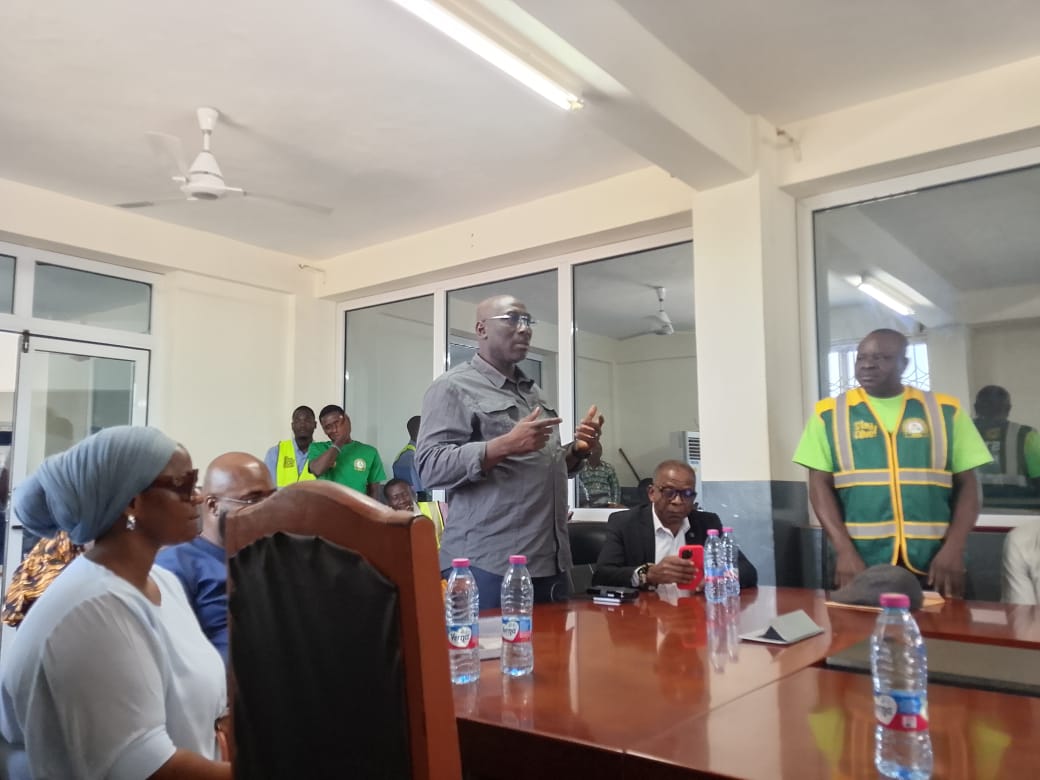
The engagement brought together major transport unions and operators in the region, including State Transport Corporation (STC), VIP Jeoun, OA Travel and Tours, the Northern Regional Tricycle Operators, and the Tipper Trucks Drivers Union.
During the session, several transport operators raised concerns over the poor state of some roads, inadequate road infrastructure, and the lack of proper road signage.
In response, the NRSA boss maintained that the enforcement of road safety regulations cannot be put on hold until the country's entire road network is fixed. He urged motorists to adapt their driving habits to the prevailing conditions of the roads while the relevant state agencies work to improve infrastructure.
"We cannot repair or construct all the roads before we start implementing the road safety measures, so the nature of your road will determine how you drive on it," he said.
By: Mumuni Yirifa Yunus | RadioTamaleOnline


0 Comments