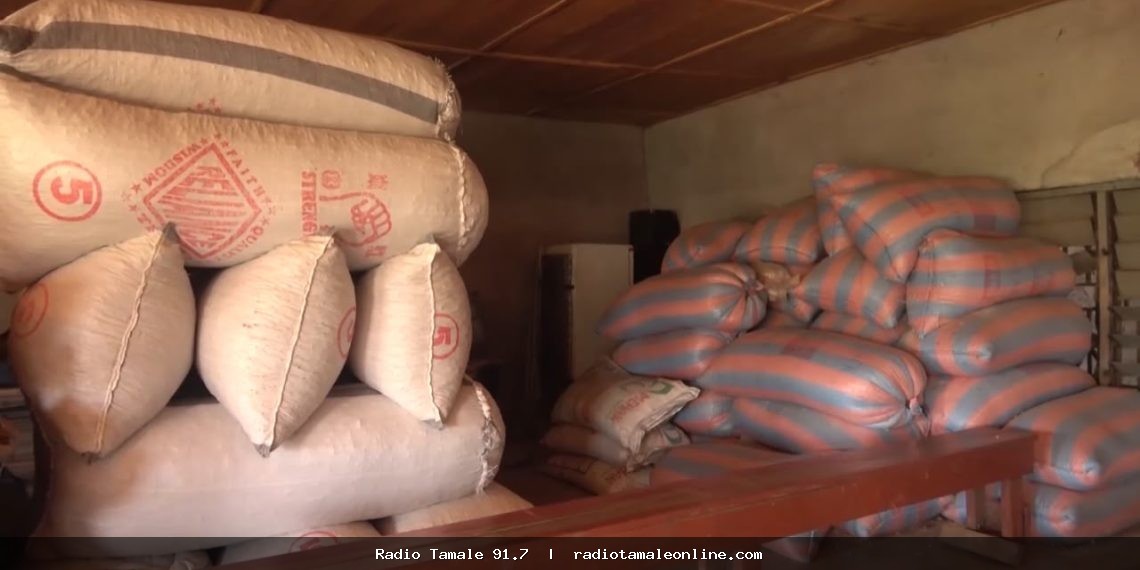
Farmers in the West Gonja Municipality of the Savannah Region are counting their losses as declining commodity prices and limited market access leave large quantities of farm produce unsold.
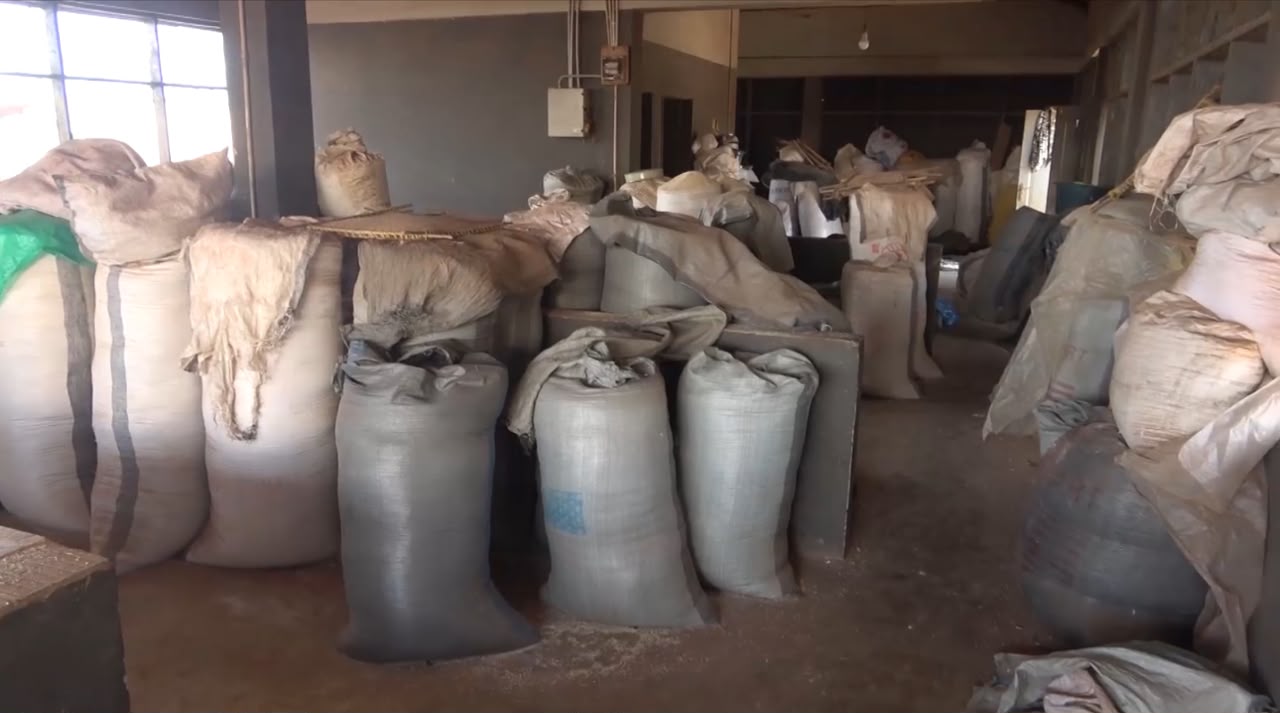
The farmers say the situation is compounded by inadequate storage facilities, leaving harvested crops vulnerable to pests and unfavourable weather conditions.
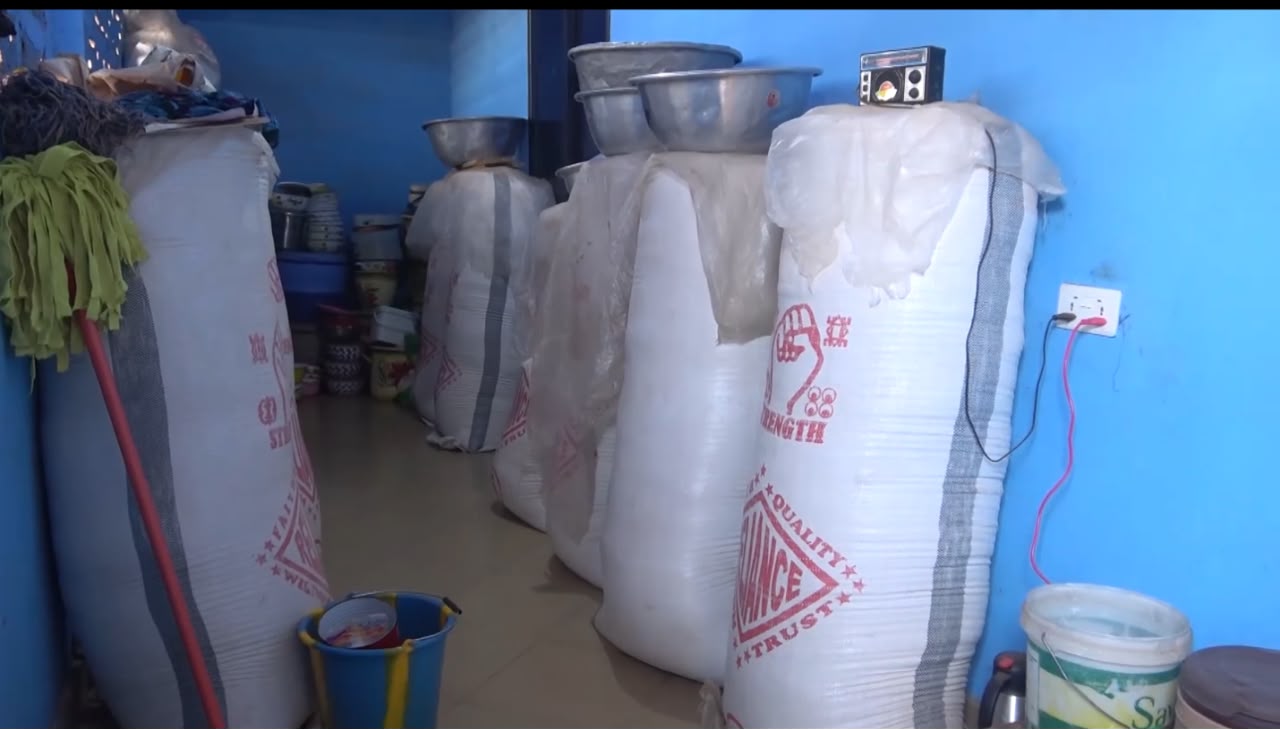
In an interview with Citi News, Haruna Voggu, a farmer, recounted how they had been forced to store their harvested produce in rooms due to the lack of buyers.
“All the investment we made to farm this year has been locked up due to the lack of a market for the produce,” he said. Some farmers said they had invested heavily in production but were struggling to recover their costs as commodity prices continued to decline.
They appealed to the government to intervene by improving storage infrastructure and access to markets to protect their livelihoods.
The farmers said the situation had affected their ability to meet basic financial obligations, including paying their children’s school fees.
They further claimed that the cost of fertiliser, seeds, labour and transportation had more than doubled this season, while farm-gate prices had fallen by more than 50 per cent.
According to the farmers, support from the Member of Parliament for Damongo, Samuel Abu Jinapor, encouraged them to return to farming this year despite earlier losses.
However, the lack of silos and proper storage facilities has raised concerns that much of their unsold grain could deteriorate before the next planting season.
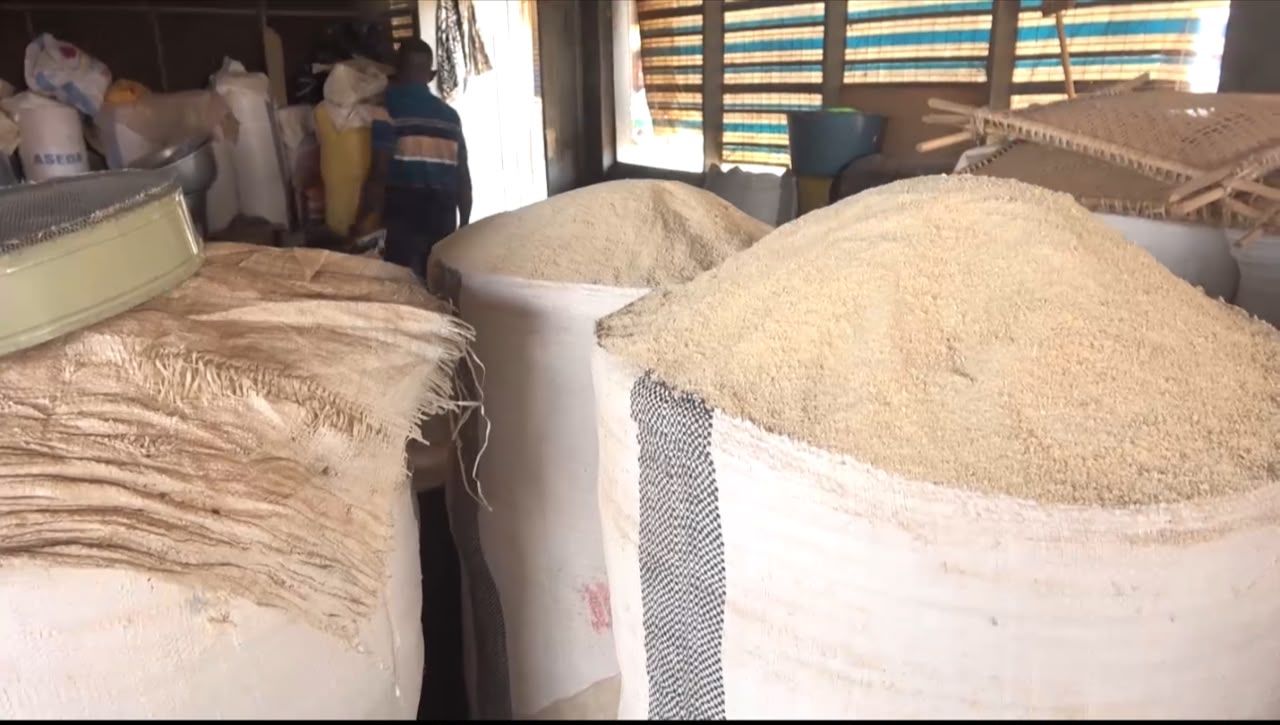
Gari processors and traders are also feeling the impact, with some reporting that bags of processed gari have remained unsold for weeks, affecting their incomes.
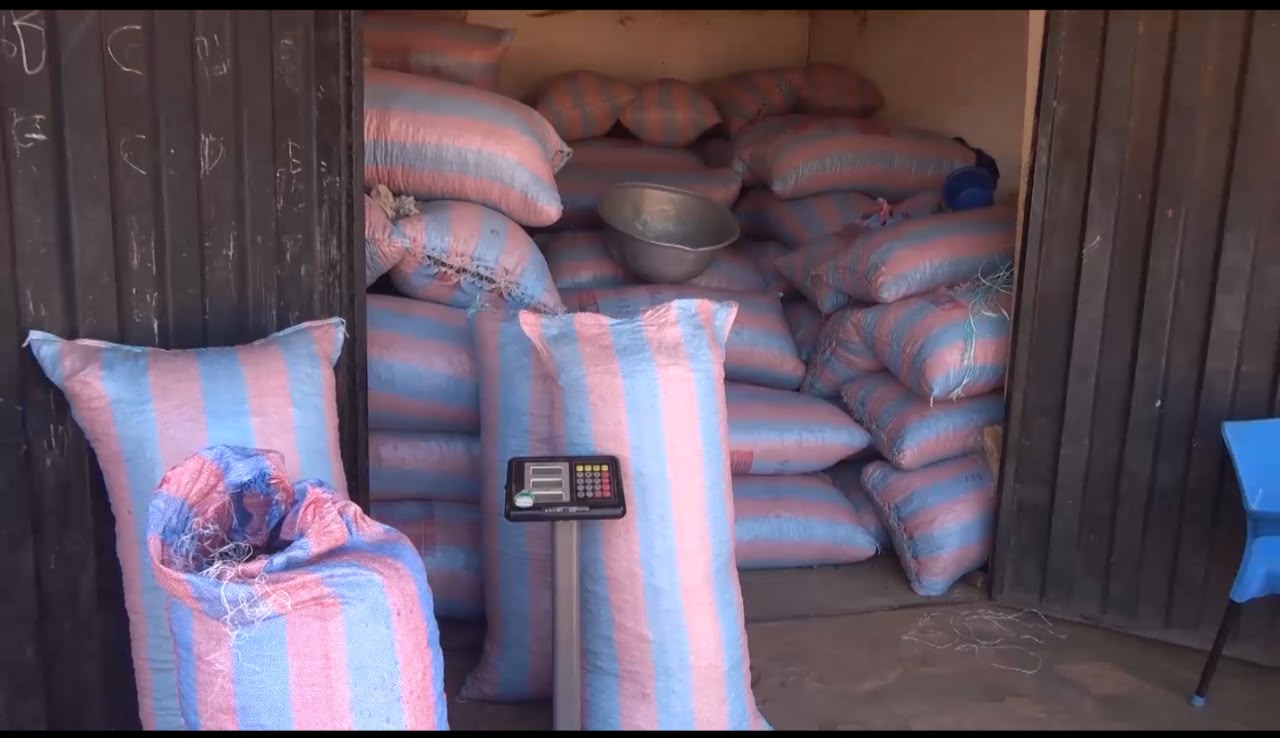
Some traders said they previously supplied gari to caterers under the School Feeding Programme, but demand from that market had declined significantly.
At the Damongo Saturday Market, traders also confirmed that commodity prices had fallen, affecting their earnings.
Market women appealed to the government to fulfil its promise to establish the Women’s Development Bank, which they believe would improve their access to loans and working capital to sustain and expand their businesses.
Meanwhile, Ewura Rophina Kadija, a student who also operates a shop, urged farmers to consider market demand and prevailing prices before deciding which crops to cultivate.
She said better access to market information could help farmers avoid producing more than they could sell. “Farmers should consider researching which produce is in high demand to inform what they farm,” she said.
The affected farmers are calling for urgent government intervention to address storage challenges, improve access to markets and help them recover their losses before the next planting season.












0 Comments