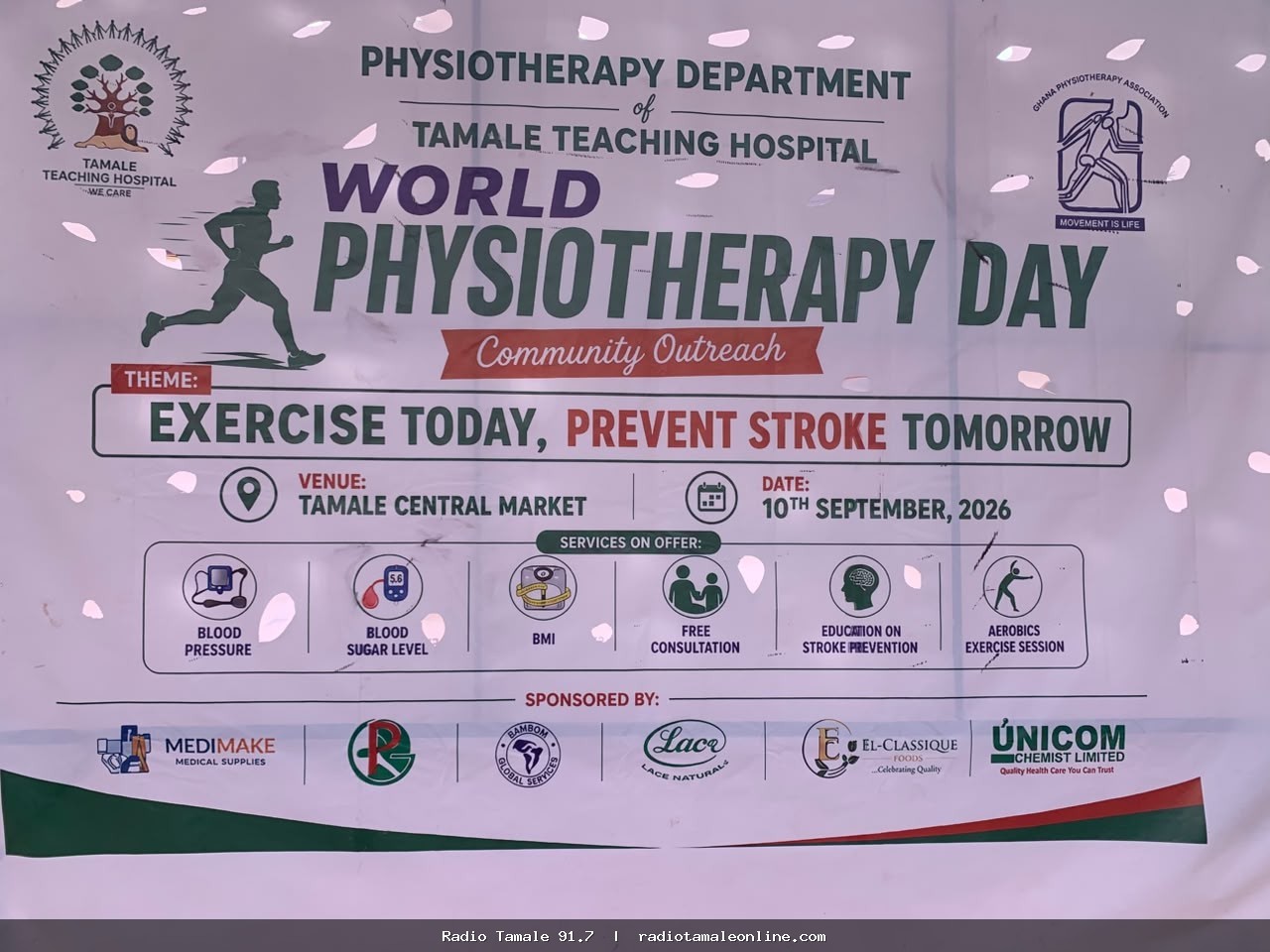
Market women in Tamale have received free health checks and advice on exercise, diet and routine screening as the Tamale Teaching Hospital marked World Physiotherapy Day with a drive to prevent stroke, high blood pressure and diabetes.
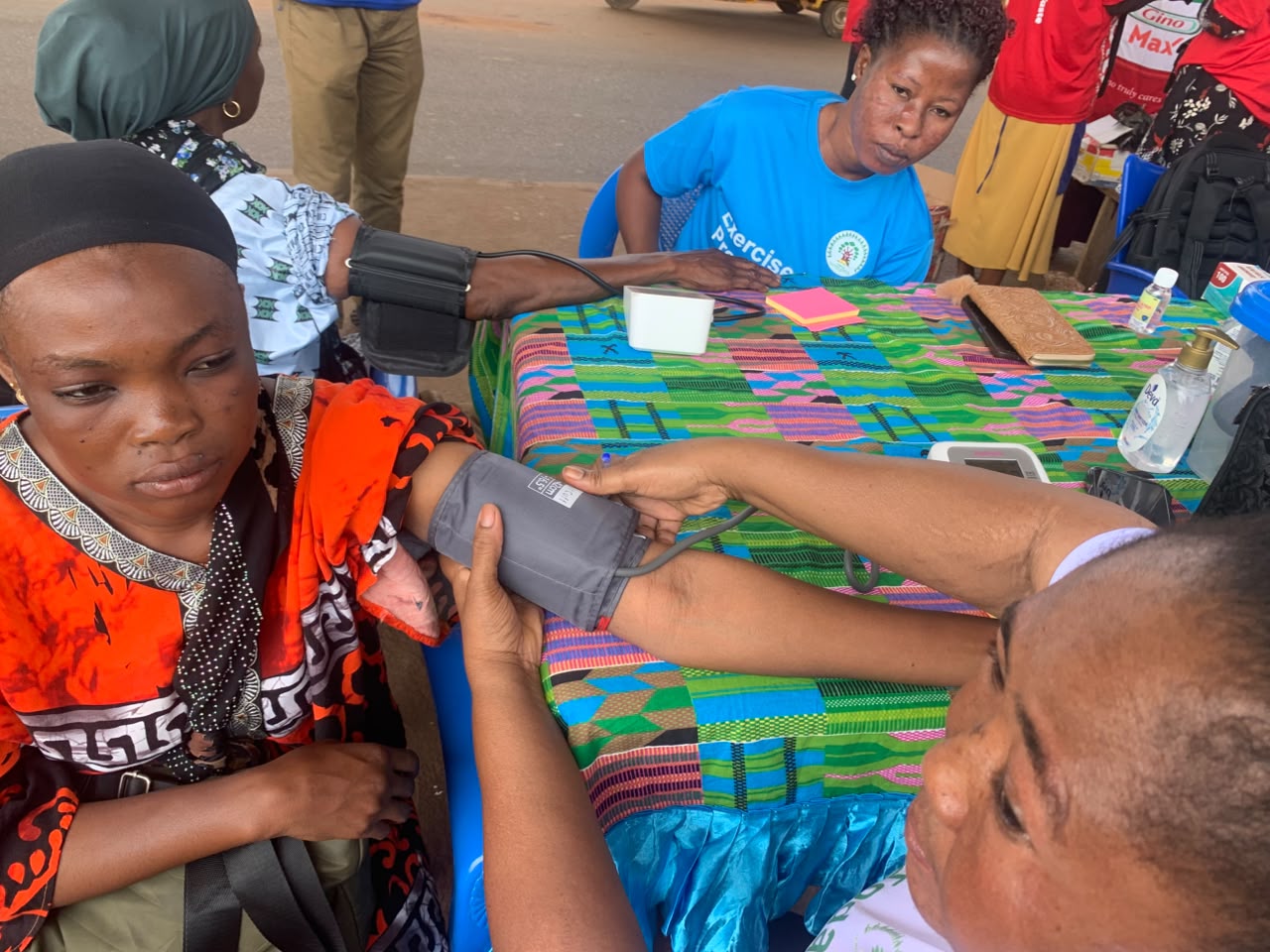
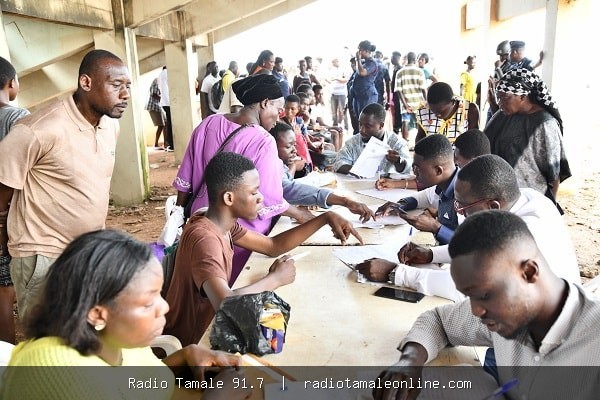
The outreach, held on 10 September, brought health professionals together with members of the public, with a particular focus on market women who were offered vital-sign checks and health education.
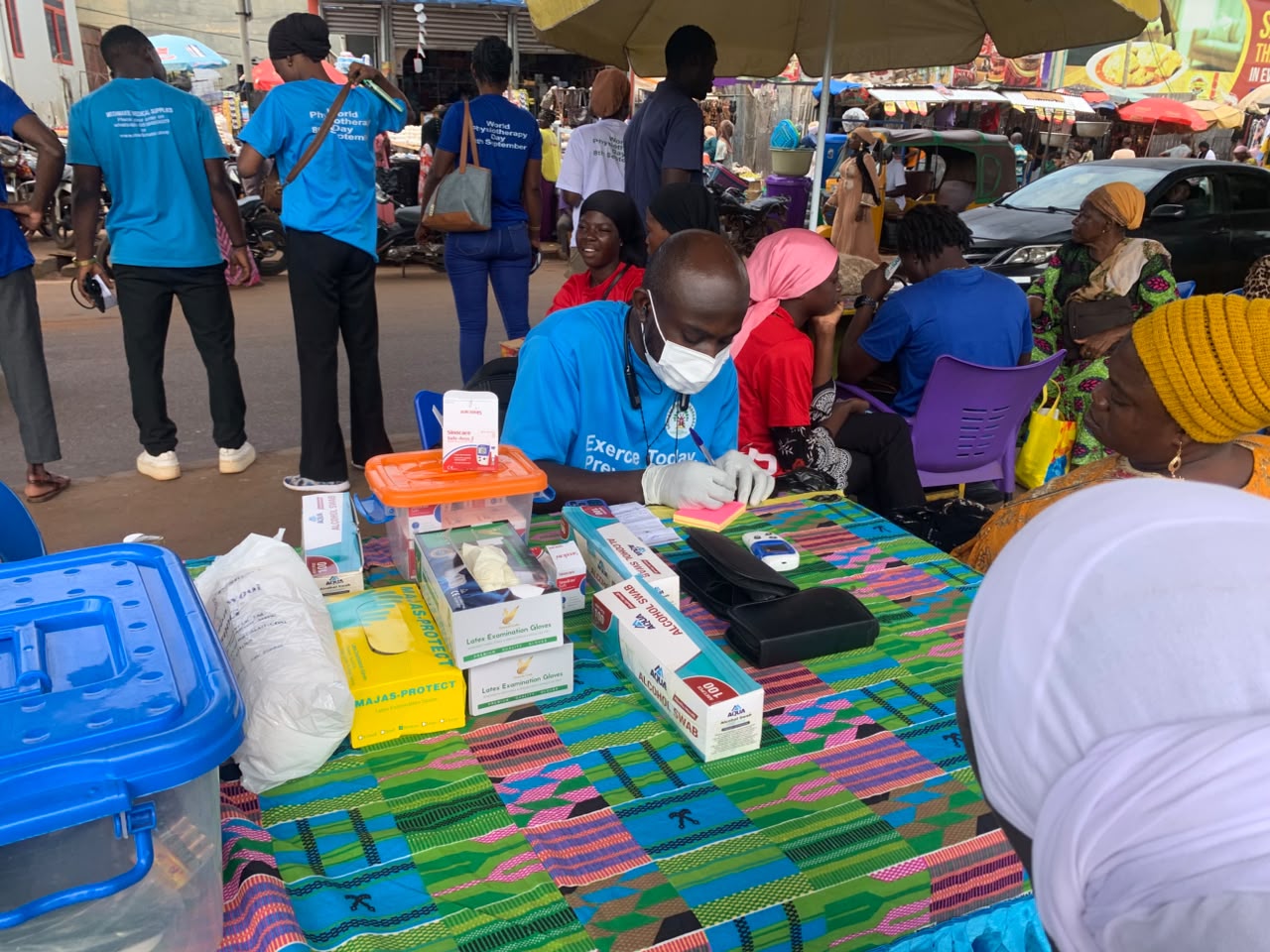
It comes as World Physiotherapy Day observed annually on 8 September placed cardiovascular disease and stroke at the centre of its 2026 campaign, highlighting physiotherapy and physical activity in prevention, treatment and rehabilitation.
For some participants, the screening produced an unexpected warning.
Mrs Fatima, a market woman who took part in the exercise, said she discovered she had high blood pressure a condition she had not known about before attending the programme.
“I didn’t know that I had high blood pressure until today,” she said. “I was told to reduce salty foods and avoid other things that can increase my blood pressure.”
She said the screening and health education had given her a clearer understanding of her condition and the importance of regular monitoring.
The event focused on practical steps people can take to protect their health, including regular physical activity, healthier eating habits and seeking medical care when necessary.
The Head of the Physiotherapy Department at Tamale Teaching Hospital, Mr Mensah Amedro, said World Physiotherapy Day offers a platform to explain the wider role of physiotherapy in healthcare.
He said physiotherapy was not limited to treatment after injury, but also had an important role in helping people prevent and manage long-term illnesses, improve movement and maintain a better quality of life.
Mr Amedro urged the public to make their health a priority by staying physically active, choosing healthier foods and attending routine checks.
“Regular exercise, healthy eating and early screening can make a difference in preventing and managing conditions such as stroke, hypertension and diabetes,” he said.
The choice to engage market women reflects the need to take basic health services and information directly to communities, particularly for people who may not seek screening until symptoms emerge.
The Tamale Teaching Hospital says the programme is part of a broader effort to build public awareness of non-communicable diseases and encourage preventive care with physiotherapy, movement and health education positioned as key tools in reducing the risk of cardiovascular disease and stroke.
By Mariam Alhassan








0 Comments