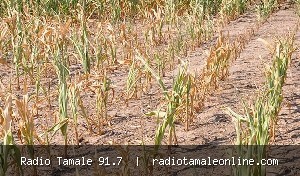
When people hear about El Niño hitting Northern Ghana, they usually picture cracked earth, dried-up rivers, and empty food barns. While lack of rain is still a major worry as the 2026–2027 El Niño grows stronger, there are other devastating effects of it that are yet to be given attention.
El Niño happens when ocean waters in the Pacific warm up far above normal, throwing global weather patterns off balance.
The Ghana Meteorological Agency (GMet) and the United States’ weather agency; the National Oceanic and Atmospheric Administration (NOAA) say this year’s event has a 96 percent chance to become “very strong” in Ghana between now (November, 2026) to January 2027. The GMet warns that for Northern Ghana, El-Nino will bring extreme, punishing heat between February and April next year, right in the middle of dry season when water is already scarce.
These extreme heat and dry weather are expected to stress water bodies such as dams, ponds and streams, most likely causing some of them to dry up. This is where farmers, especially across Northern Ghana whose livelihood depend solely on agriculture will gravely affected. For these mostly subsistence farmers in the Northern Ghana, the biggest shock of this almost certain El-Nino will not just be dry weather, it will be how expensive it will become just to keep crops and livestock alive.
In Ghana, very few farms are connected to government-built canals and dams. Out of all the farmland in the country that could be irrigated, only about 2% actually has working irrigation systems. Nearly nine out of ten irrigated farms rely on small, personal water pumps run by the farmers themselves and connected to dams, ponds, streams and shallow wells.
When El Niño dries out ponds, streams, and shallow wells earlier than usual, farmers get hit from three sides:
Costly Water Pumping: Farmers growing dry-season vegetables and other cereals have to run their fuel or electric water pumps much longer to pull water from deeper underground. Many cannot afford the extra fuel and are forced to plant smaller farms.
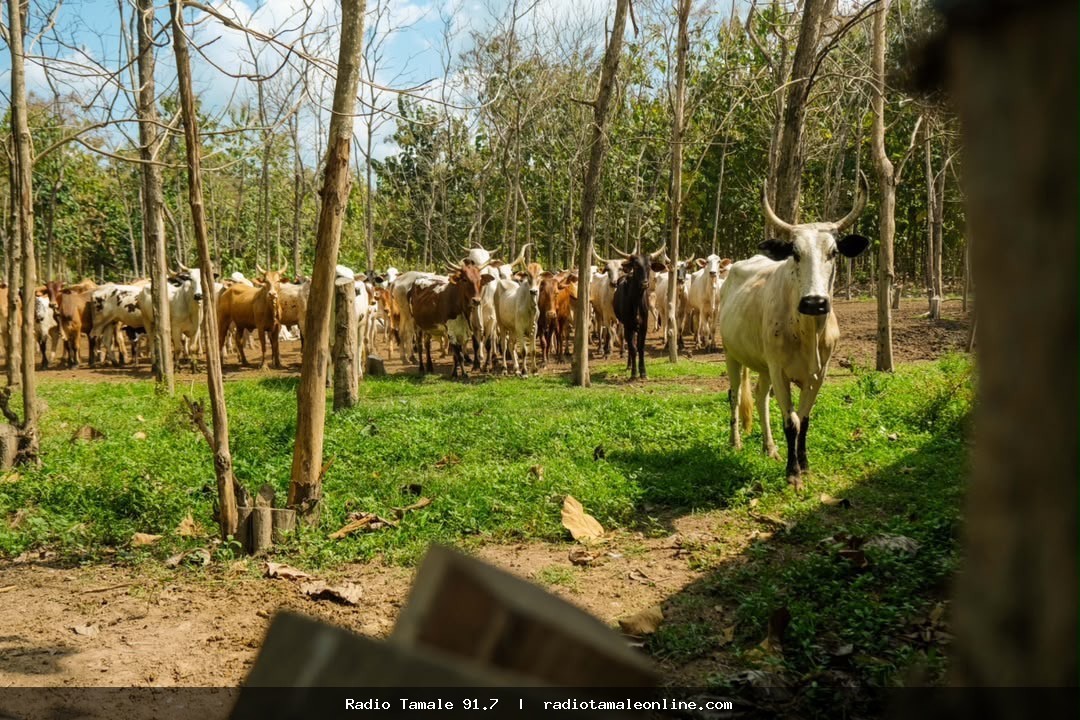
Expensive Animal Feed: With natural grazing grass drying up early in the heat, cattle, sheep and goat herders have to buy commercial animal feed to keep their herds from starving driving up costs across the board.
The High-Price Trap: When harvests shrink, food prices in local markets go up. You might think higher prices help farmers, but when small and subsistence farmers lose most of their crops to heat and dry spells, they have nothing left to sell. Instead, they end up having to buy expensive food in the market just to feed their own families.
The last major dry spell in 2024 hit hard: national grain harvests dropped by nearly 11%, rice harvests fell by more than 21%, and almost 9 out of 10 affected farmers said they received no outside help to recover.
To avoid a repeat, the United Nations Food and Agriculture Organization (FAO) and local partners launched an early-warning drive on November 11, 2026, to get support to northern communities before the worst heat arrives. The Minister of Agriculture, Eric Opoku at the launch of government’s REWARD program in Tamale also announced government’s plans to buy surplus rice and maize in the system as a result of this year’s food glut in the country, as part of preparations against the effects of the El-nino.
“We are thinking about how we can get more money to buy all those rice and maize and then store them. So that if the impact of the El-Nino kicks in and everybody across the globe is struggling to get food to eat, Ghana can say that we’ve prepared adequately against this situation” he announced.
Beyond that, GMet has also called for a national task force to distribute fast-growing, drought-tolerant seeds and set up emergency animal feed banks across the north.
For families farming in Northern Ghana, getting through the months ahead will come down to one simple question: whether affordable fuel, animal feed, and cash support reach their villages before the February heat sets in.
By: Mumuni Yirifa Yunus | RadioTamaleOnline









0 Comments