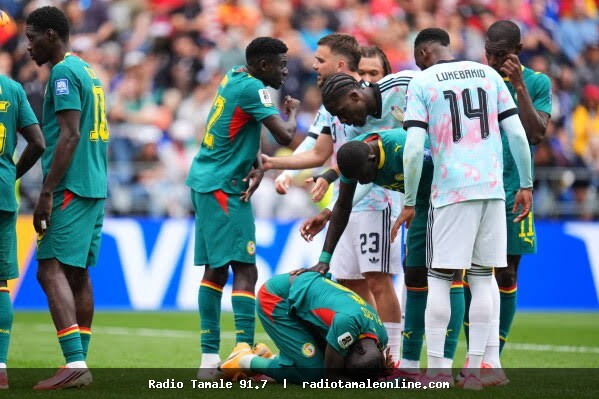
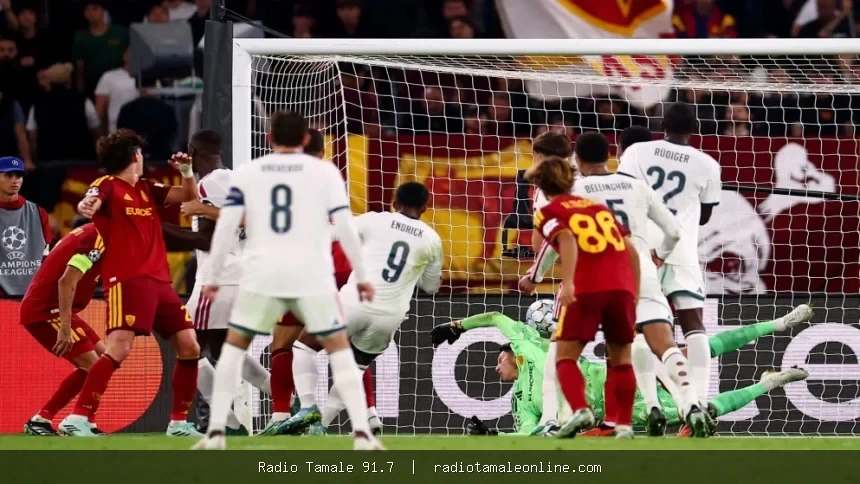
African football’s recurring struggle on the global stage has once again come under scrutiny at the 2026 FIFA World Cup, as late-game collapses and lapses in concentration continue to haunt the continent’s representatives.
What should have been a moment of continental pride has instead turned into a familiar story of “what could have been,” after DR Congo and Senegal both surrendered winning positions in dramatic fashion during the Round of 32. DR Congo, leading England 1-0 deep into the second half, lost focus at the worst possible moment, conceding twice to crash out 2-1.
Senegal’s collapse was even more painful holding a 2-1 advantage against Belgium, only to concede two late goals and exit the tournament 3-2.
These defeats have reignited a long-standing debate about the mental resilience and game management of African teams on football’s biggest stage. While talent, athleticism, and tactical growth are no longer in question, the ability to see out matches under pressure remains a glaring weakness.
From nine African nations that qualified for the tournament, four have already bowed out Senegal, South Africa, Ivory Coast, and DR Congo leaving five teams to carry the continent’s hopes: Morocco, Ghana, Algeria, Egypt, and Cape Verde.
The pattern is troubling. African teams often start brightly, showing attacking intent and physical dominance, but struggle in the closing stages where discipline, composure, and concentration are paramount. Against more experienced European and South American sides, those final minutes have proven costly.
For Senegal and DR Congo, it was not a lack of quality but a failure to manage critical moments whether through poor defensive organization, loss of shape, or simply switching off under pressure. At this level, such lapses are ruthlessly punished.
Attention now turns to the remaining African contenders, who must not only match their opponents technically and tactically but also demonstrate the mental toughness required to compete at this level.
Algeria face Switzerland in a crucial clash at 3 a.m. on Friday, July 3, in a test that will demand both discipline and endurance. Later that day, Egypt takes on Australia at 6 p.m., with hopes of leveraging their experience and structure to avoid similar pitfalls.
Cape Verde, one of the tournament’s surprise packages, face a daunting challenge against reigning champions Argentina, while Ghana’s much-anticipated encounter with Colombia on July 4 presents another opportunity for Africa to assert itself on the world stage.
The question now is whether these teams can learn quickly from the painful lessons of their counterparts. The margins at the World Cup are razor-thin, and success is often determined not just by moments of brilliance, but by sustained concentration and mental strength.
For African football to truly break through, the conversation must shift beyond talent to temperament. Until then, the continent risks continuing this cycle of promise undone by late heartbreak.
BY: Addy Kennedy Edem







0 Comments