
Ghana’s inflation rate has risen for the third consecutive month, increasing to 5.3% in June from 3.7% in May, according to the latest data released by the Ghana Statistical Service.
This points to a renewed acceleration in consumer prices after several months of relatively moderate inflation. The latest rise in headline inflation was driven largely by higher non-food prices.
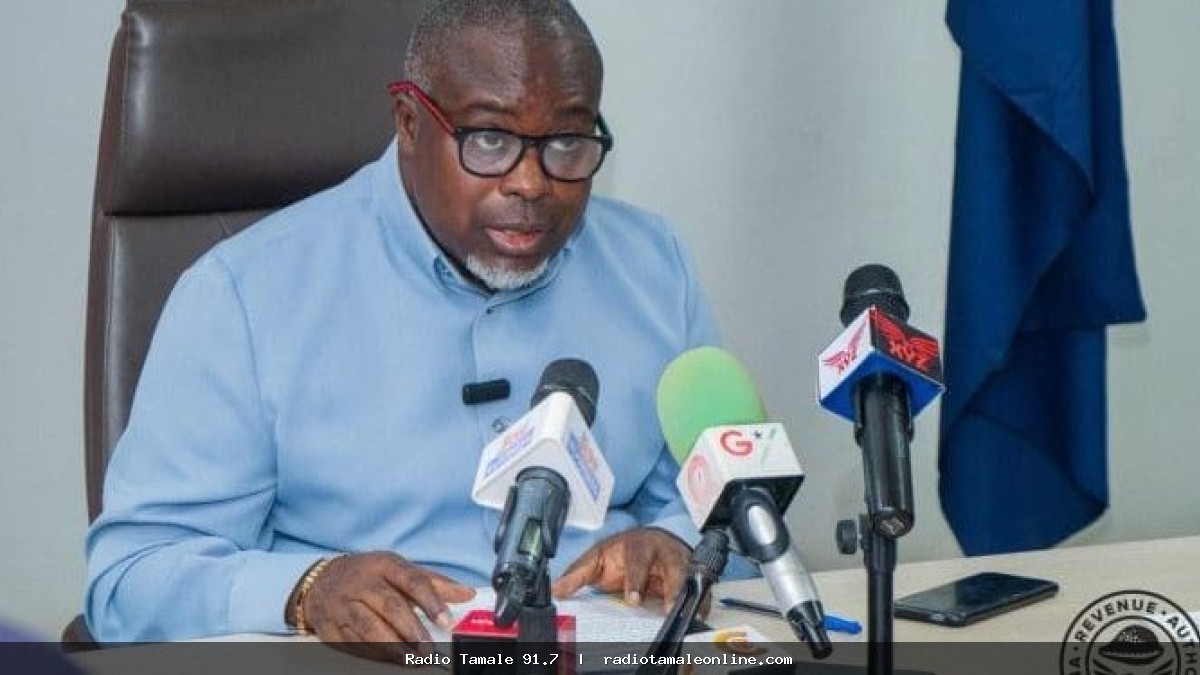
Government Statistician, Dr. Alhassan Iddrisu, said food inflation edged up to 3.9% in June, from 3.3% in May, while non-food inflation recorded a sharper increase to 6.3%, from 4.1% over the same period.
Despite the monthly increase, inflation remains significantly lower than the 13.7 percent recorded in June 2025, indicating that overall price pressures continue to ease on a year-on-year basis.
The data also showed that inflation for locally produced goods rose to 6.7% in June from 5.0% in May, accounting for 86.6% of headline inflation. Meanwhile, inflation for imported goods increased to 2.3% from 0.9% over the same period.
Price growth remained stronger in the services sector than in goods. Services inflation stood at 9.4 percent, easing slightly from 9.9% in May, while goods inflation accelerated sharply to 3.7% from 1.4%.
“This means that the pressure is coming from services, transport, rent, education, accommodation and other food costs, other non-food costs. Fifth, local items explain most of the inflation“, the Government Statistician said.
At the regional level, the North East Region recorded the highest inflation rate at 10.2%, while the Bono East Region posted the lowest rate at -4.4%, reflecting an overall decline in average prices during the period.






0 Comments