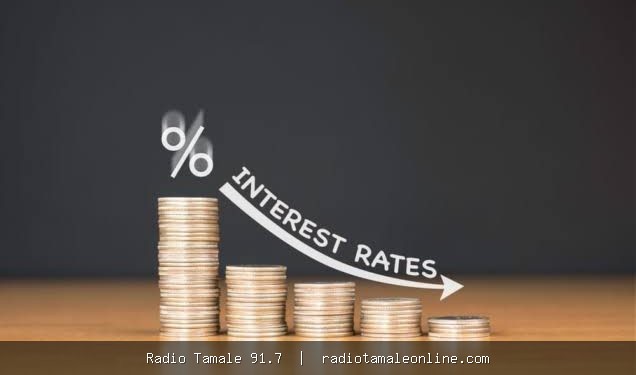
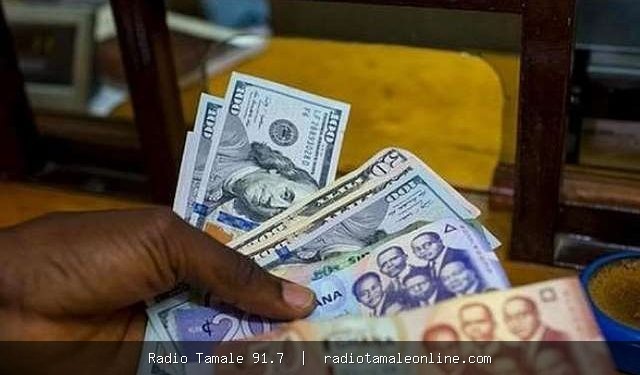
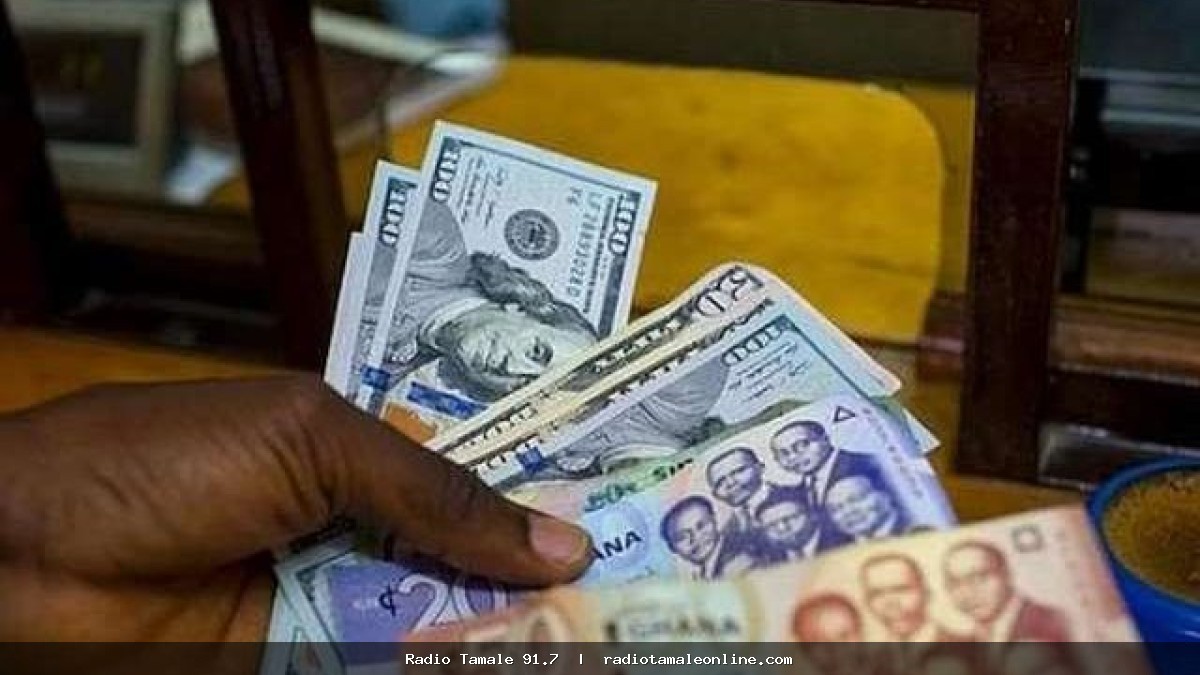
The Ghana Reference Rate (GRR) has increased to 10.59% for July 2026, according to the Ghana Association of Banks (GAB), reversing months of sustained declines and signalling a potential shift in lending conditions across the banking sector.
The new rate, which takes effect from July 1, 2026, rises from 10.02% recorded in June 2026, marking the first upward movement after a prolonged easing trend that had supported expectations of lower borrowing costs.
The GRR serves as the key benchmark used by commercial banks in pricing loans and is calculated using a formula that factors in the Monetary Policy Rate, Treasury bill yields, and the interbank lending rate.
The latest increase suggests a moderation in the pace of improvement in Ghana’s interest rate environment and could influence how quickly banks adjust lending rates for businesses and households.
Although the rise interrupts the recent downward trajectory, the benchmark remains significantly below levels recorded earlier in the year.
The reference rate had fallen from 14.58% in February to 11.71% in March, 10.06% in April, 10.03% in May, and 10.02% in June, reflecting improving macroeconomic conditions, including easing inflation pressures, exchange-rate stability, and softer money market conditions.
Analysts say the July uptick may not immediately translate into higher lending rates but could slow expectations of rapid credit easing as banks continue to account for funding costs, credit risk, and prevailing market conditions.
For businesses, the latest GRR reading signals that while financing conditions remain relatively improved compared to the start of the year, the path toward cheaper credit may not be entirely linear.






0 Comments