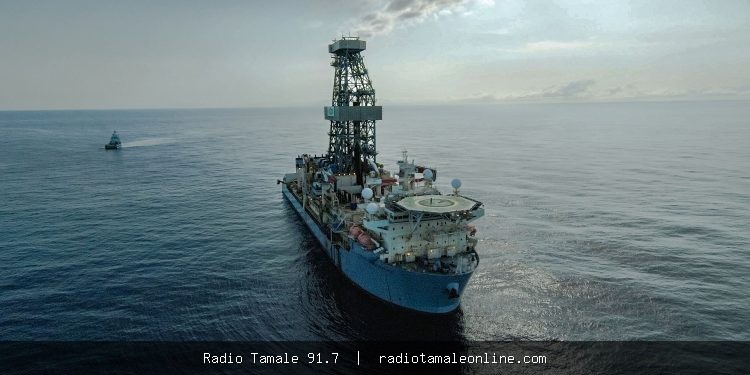
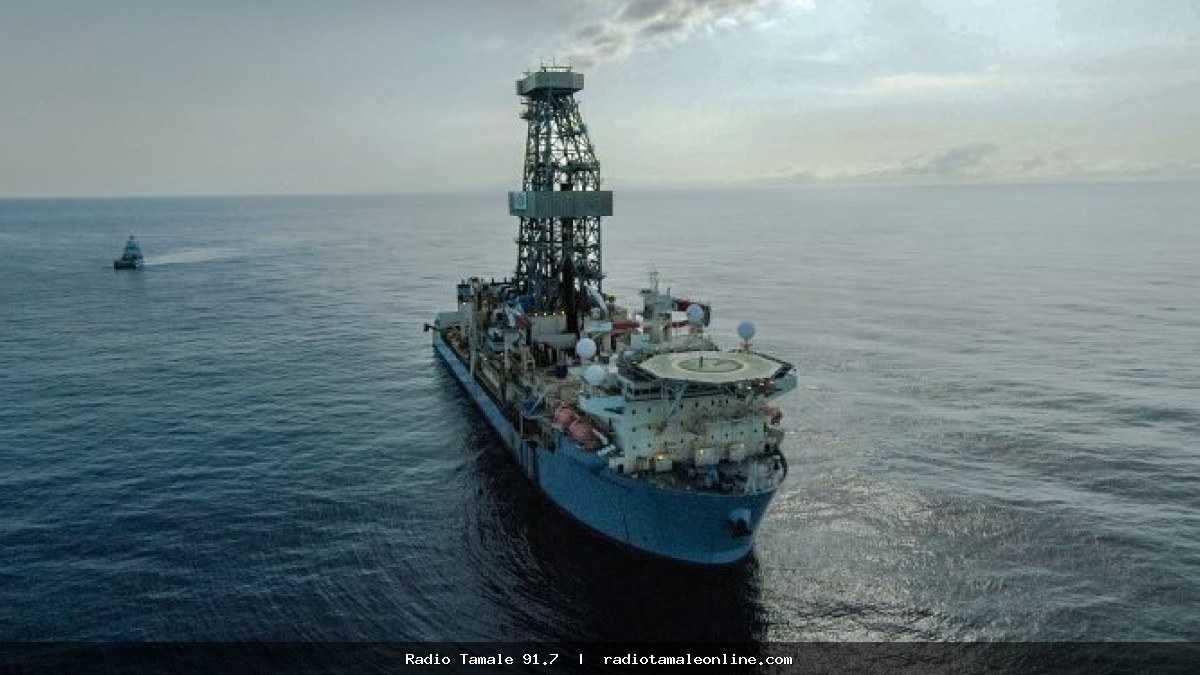
Planet One Oil & Gas has announced a hydrocarbon discovery at its Nya Gyidie-1X exploration well in the Deepwater Cape Three Points (DWCTP) Block offshore Ghana.
The discovery is significant as it marks the first successful test of a carbonate reservoir system in Ghana, opening up a new geological target for petroleum exploration beyond the sandstone formations that have accounted for the country’s existing commercial discoveries.
The Nya Gyidie-1X well is located approximately 148 kilometres offshore Ghana and was drilled in water depths of 2,289 metres, making it an ultra-deepwater exploration project.
According to Planet One, the well encountered hydrocarbons within carbonate rock formations between 3,364 and 3,499 metres measured depth along the wellbore.
The discovery comes at a time when the government is seeking to attract fresh investment into the upstream petroleum sector, increase production and replenish the country’s hydrocarbon reserves.
In July 2026, President John Dramani Mahama announced $3.5 billion in new upstream investment commitments as part of efforts to revive activities in the petroleum industry.
Reacting to the discovery, President Mahama described it as an important milestone for Ghana’s petroleum exploration, particularly because it represents the country’s first successful test of a Cenomanian–Turonian carbonate play as a primary exploration target.
He said the well also targeted the Albian formation as a secondary objective and fulfilled an exploration commitment by Planet One and its partners.
The President expressed confidence that the discovery could open up further exploration opportunities, stressing the need to accelerate responsible exploration and develop the necessary infrastructure to sustainably harness the country’s petroleum resources.
He said the government’s priority was to translate the country’s natural resources into jobs, economic opportunities and lasting improvements in the lives of Ghanaians.
Planet One Group Founder and Chairman, Sanjeev Mansotra, said the discovery reinforces the company’s confidence in Ghana’s oil and gas potential and could create opportunities for further exploration.
He said the company’s continued engagement with the government was aimed at supporting investment and creating jobs, skills development and wider economic benefits.
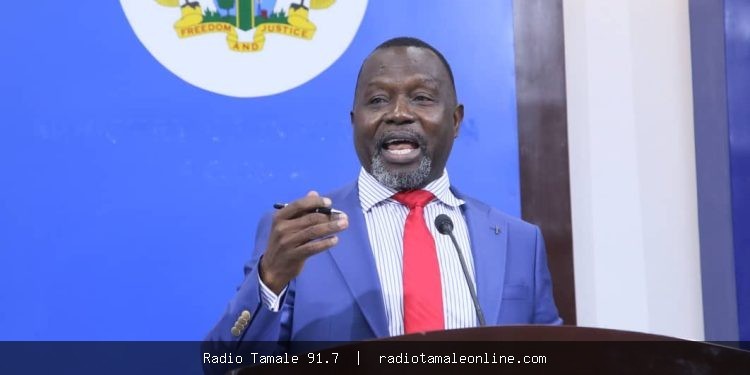
Energy and Green Transition Minister, Dr John Jinapor, also described the discovery as an important development in efforts to revitalise Ghana’s upstream petroleum sector.
He said government remained committed to attracting strategic investments, increasing production and strengthening national energy security through the responsible development of petroleum resources.
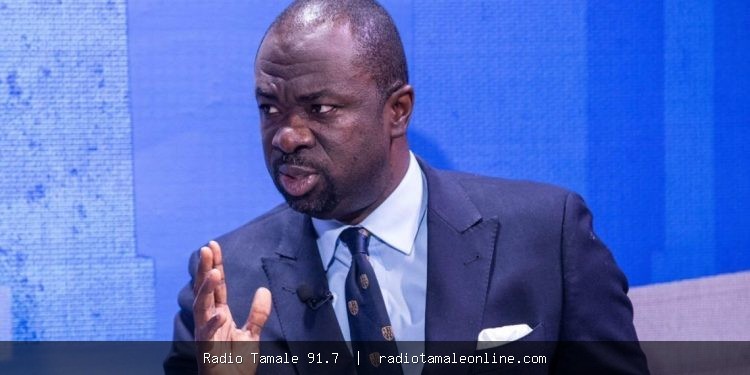
Chief Executive of the Ghana National Petroleum Corporation (GNPC), Kwame Ntow Amoah, said the significance of the discovery extended beyond the hydrocarbons encountered, as it had established a new geological play for further exploration in Ghana.
He, however, noted that further technical evaluation would be required to determine the scale and commercial potential of the discovery.
GNPC, he said, would work with Planet One and GOIL Upstream to assess the opportunities presented by the find.
Group Chief Executive Officer of GOIL PLC, Edward Abambire Bawa, said the discovery validates the company’s decision to participate in petroleum exploration through its subsidiary, GOIL Upstream Limited.
He said the development could contribute to Ghana’s long-term energy security, adding that the next phase would involve technical assessments to establish its commercial viability.
The Deepwater Cape Three Points Block covers approximately 1,454 square kilometres offshore Ghana and is operated by Planet One in partnership with GOIL Upstream Limited and GNPC.
Planet One’s partnership with GOIL Upstream was established in 2023 through Farm-In and Joint Operating Agreements to advance exploration activities across the block.
The company’s petroleum interests in Ghana also extend to other offshore and onshore blocks as it seeks to expand its exploration and production activities across the country’s petroleum basins.



0 Comments