
The Tamale Metropolitan Assembly has commissioned the Kobilimahigu Community-based Health Planning and Services (CHPS) Compound, a facility expected to bring essential healthcare services closer to more than 8,400 residents of the community.
The Metropolitan Chief Executive, Hon. Alhaji Adam Abubakari Takoro, who made the remarks at the commissioning ceremony on Wednesday, October 7, 2026, said the facility would significantly reduce the challenges residents previously faced in accessing healthcare. 

According to him, Kobilimahigu, with an estimated population of 8,461, previously had no health facility within the community, compelling residents to travel between four and six kilometres to access healthcare at Fuo, the Tamale Regional Hospital or the Tamale Teaching Hospital.
He noted that the situation posed particular risks to pregnant women, children and the elderly, especially during emergencies, rainy seasons and periods when transportation costs were high.
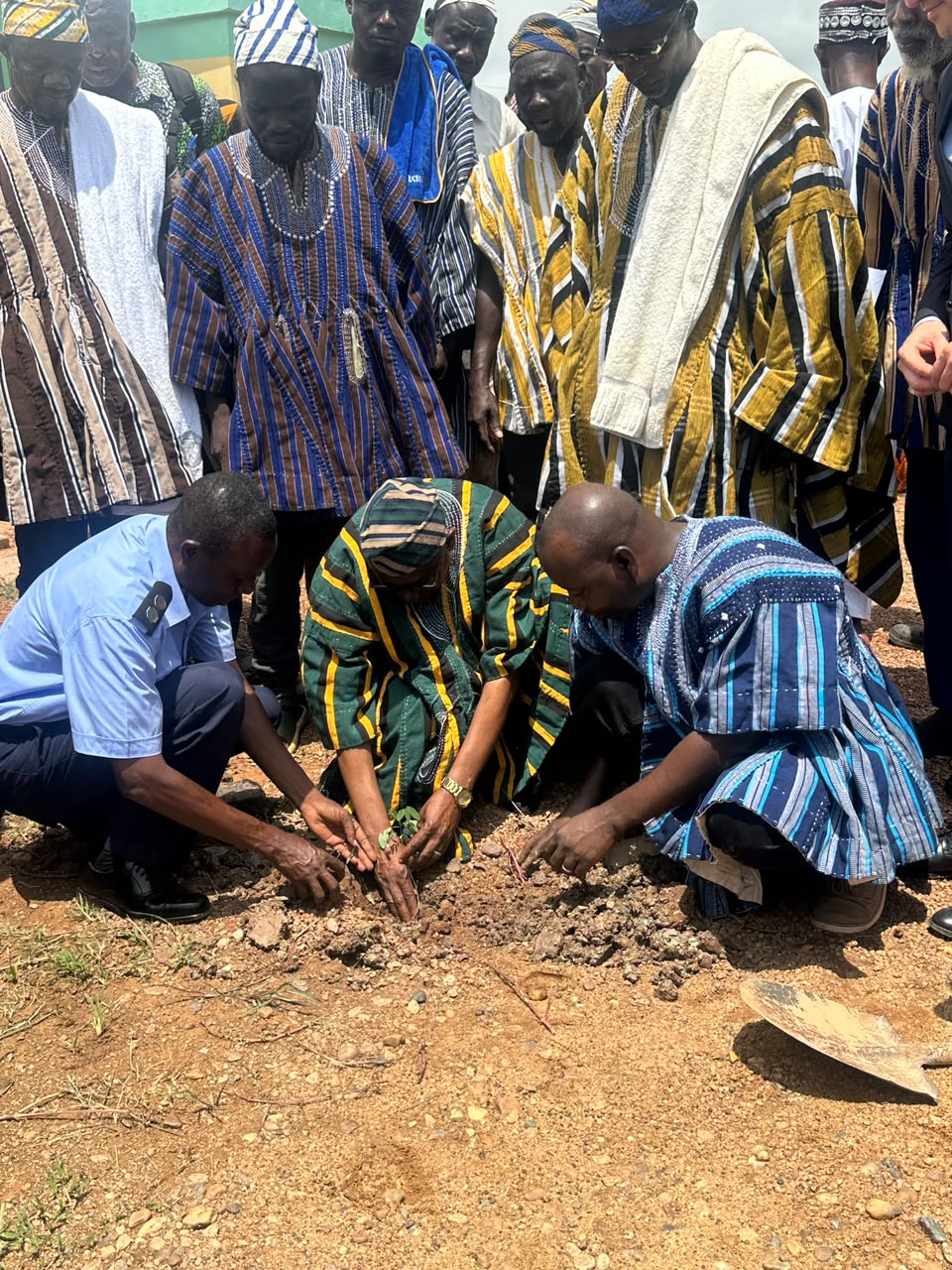
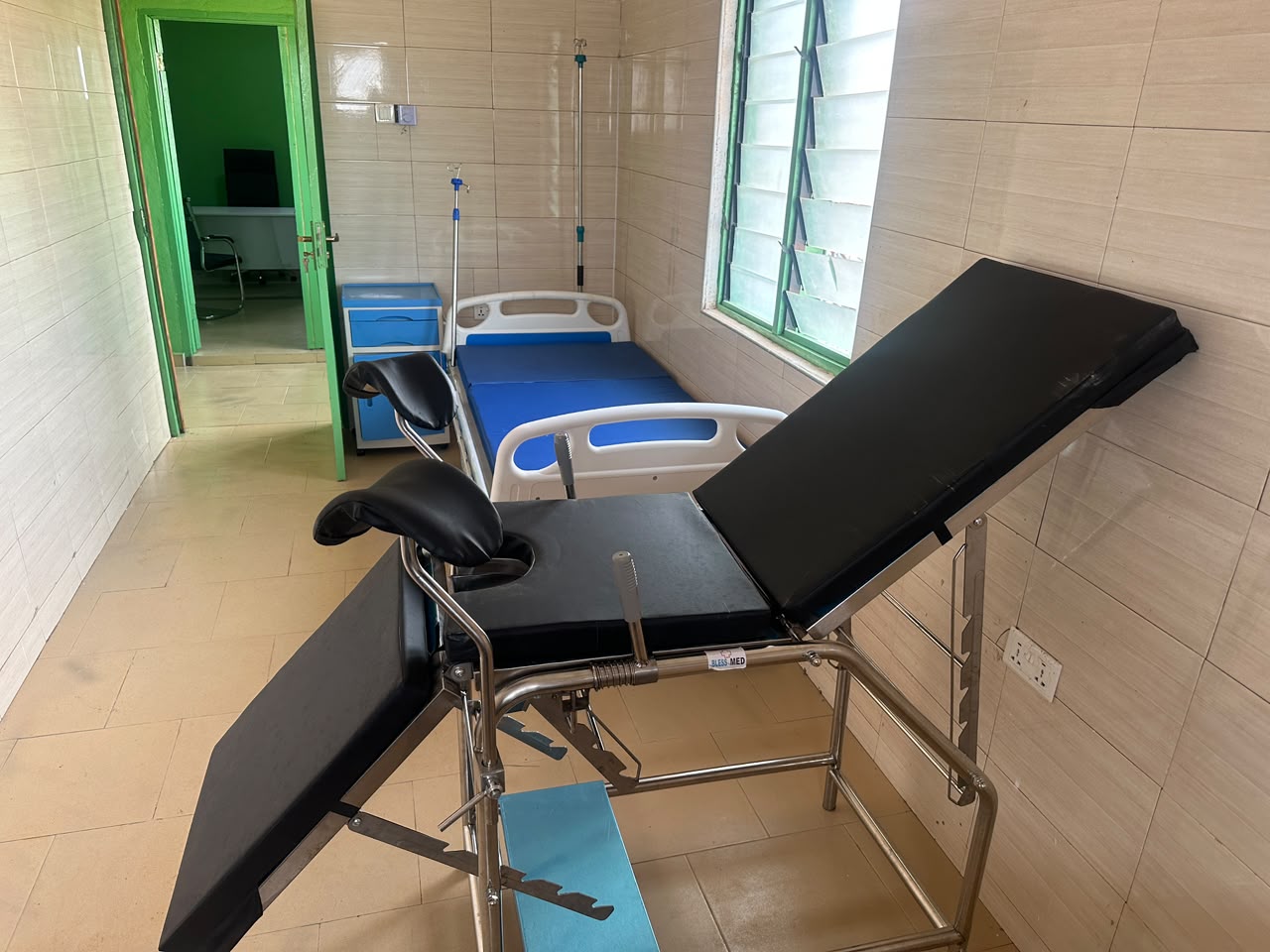
The MCE explained that the absence of a health facility had contributed to delays in antenatal care, missed childhood immunisation opportunities and the late treatment of illnesses that could otherwise have been managed at the community level. 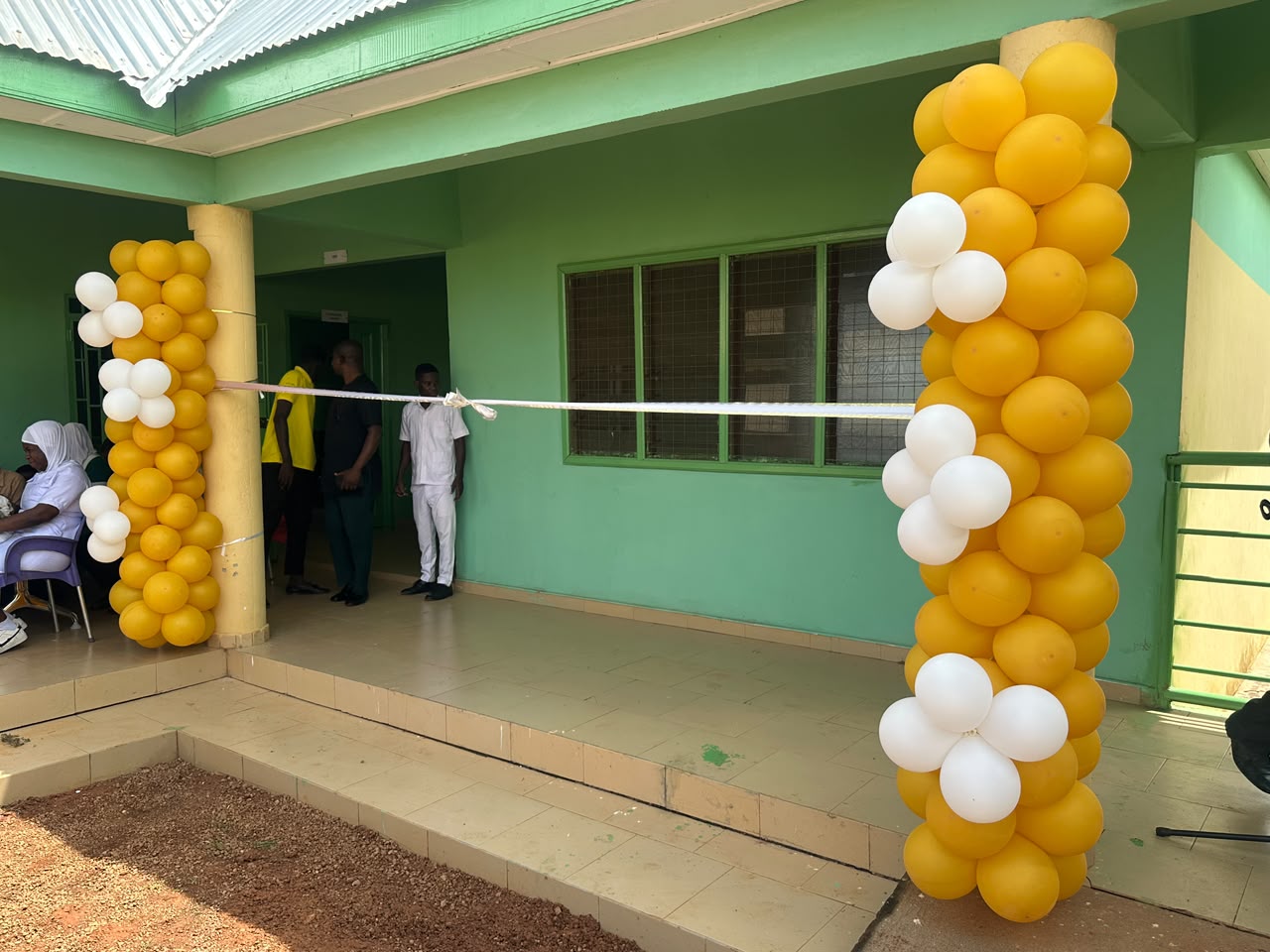
He said the CHPS project was initiated in response to a need identified by the people of Kobilimahigu through their Assembly Member, Unit Committee and community consultations.
The Tamale Metropolitan Assembly subsequently assessed the community’s healthcare needs, population growth and distance to existing health facilities before prioritising the project in its Medium-Term Development Plan for 2022 to 2025 and its 2024 Annual Action Plan.
The MCE said the project was supported through the District Assemblies Common Fund Responsiveness Factor Grant, with technical and institutional support from Germany through the German Development Cooperation, including GIZ and KfW.
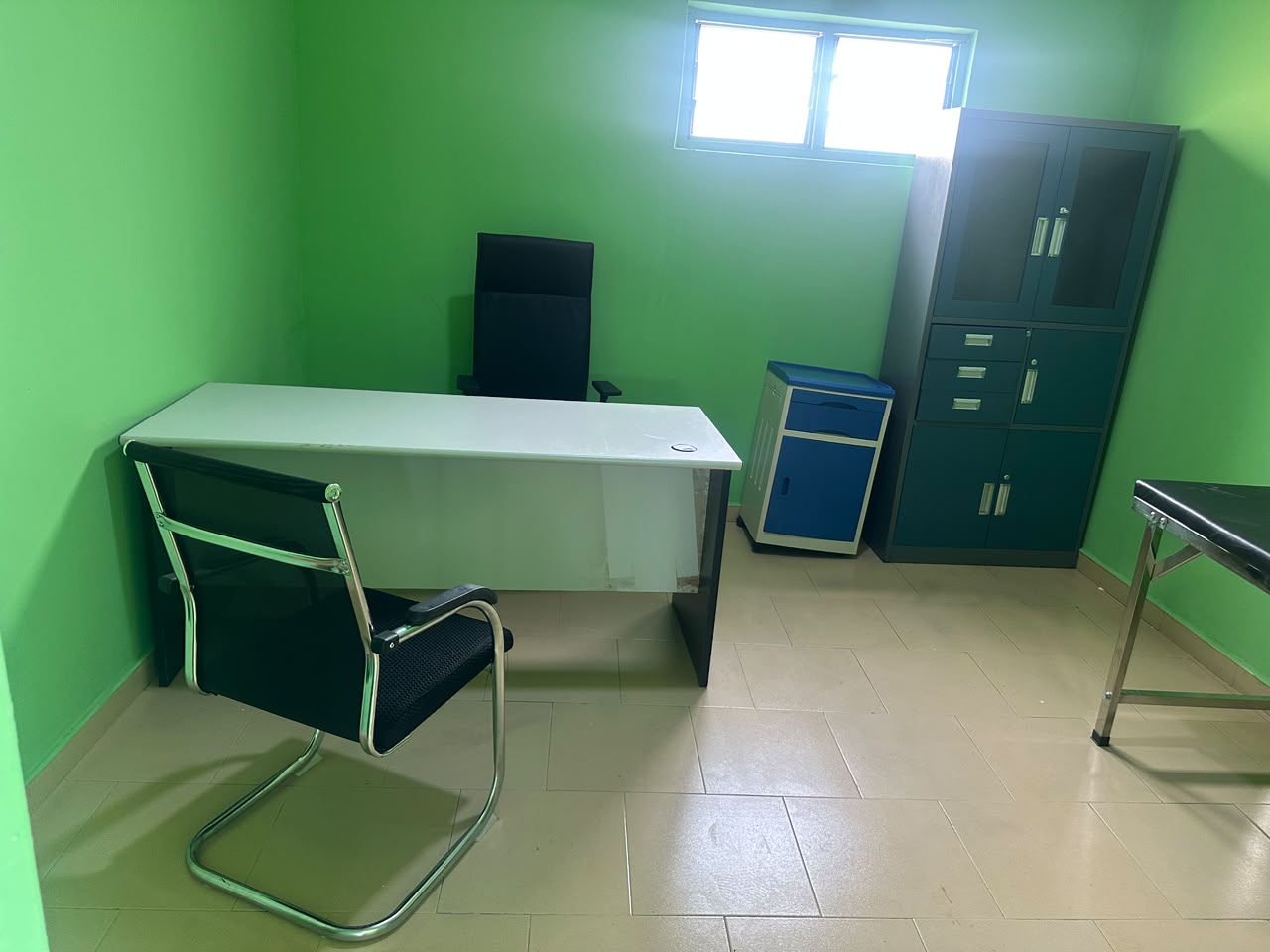
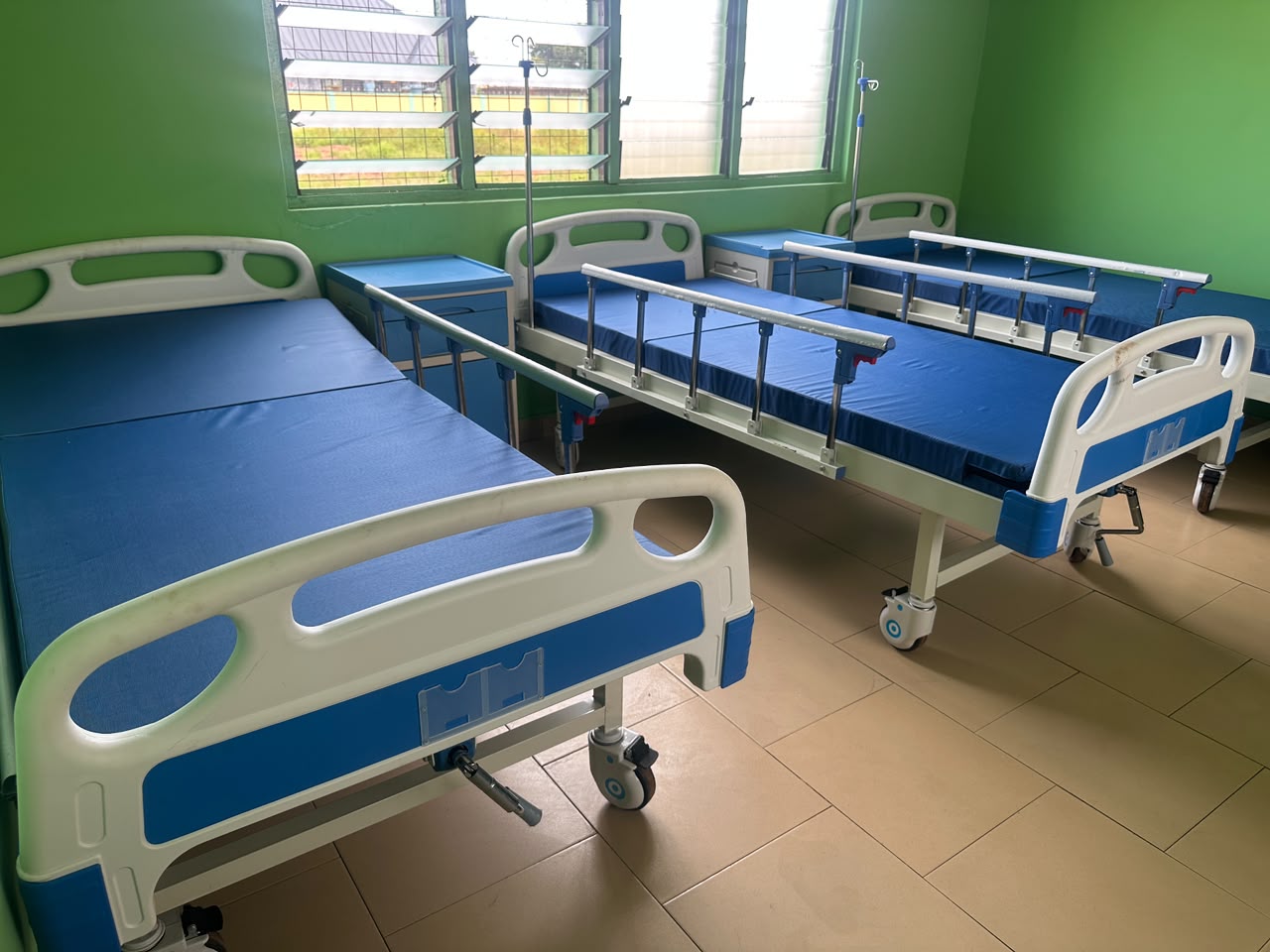

He disclosed that the construction contract, valued at GH¢899,291.80, was awarded in April 2024 and completed in October of the same year.
The facility is expected to provide antenatal and postnatal services, immunisation and child welfare clinics, treatment for common illnesses including malaria, diarrhoea and respiratory infections, health education, family planning and disease surveillance.
It will also provide first aid and facilitate prompt referral of emergency cases to larger health facilities.
Hon. Takoro said the facility would not only save residents transportation costs and travel time but would also help reduce pressure on the Tamale Teaching Hospital and other major health facilities by treating common conditions within the community.
The MCE stressed that the sustainability of the project would be measured beyond the commissioning ceremony, pledging that the Assembly would keep the facility in its annual action plans and composite budget to ensure regular maintenance.
He also assured that the Assembly would work with the Metropolitan Health Directorate to ensure the posting and supervision of health personnel, monitor the use of the facility and apply performance auditing mechanisms to assess its effectiveness. 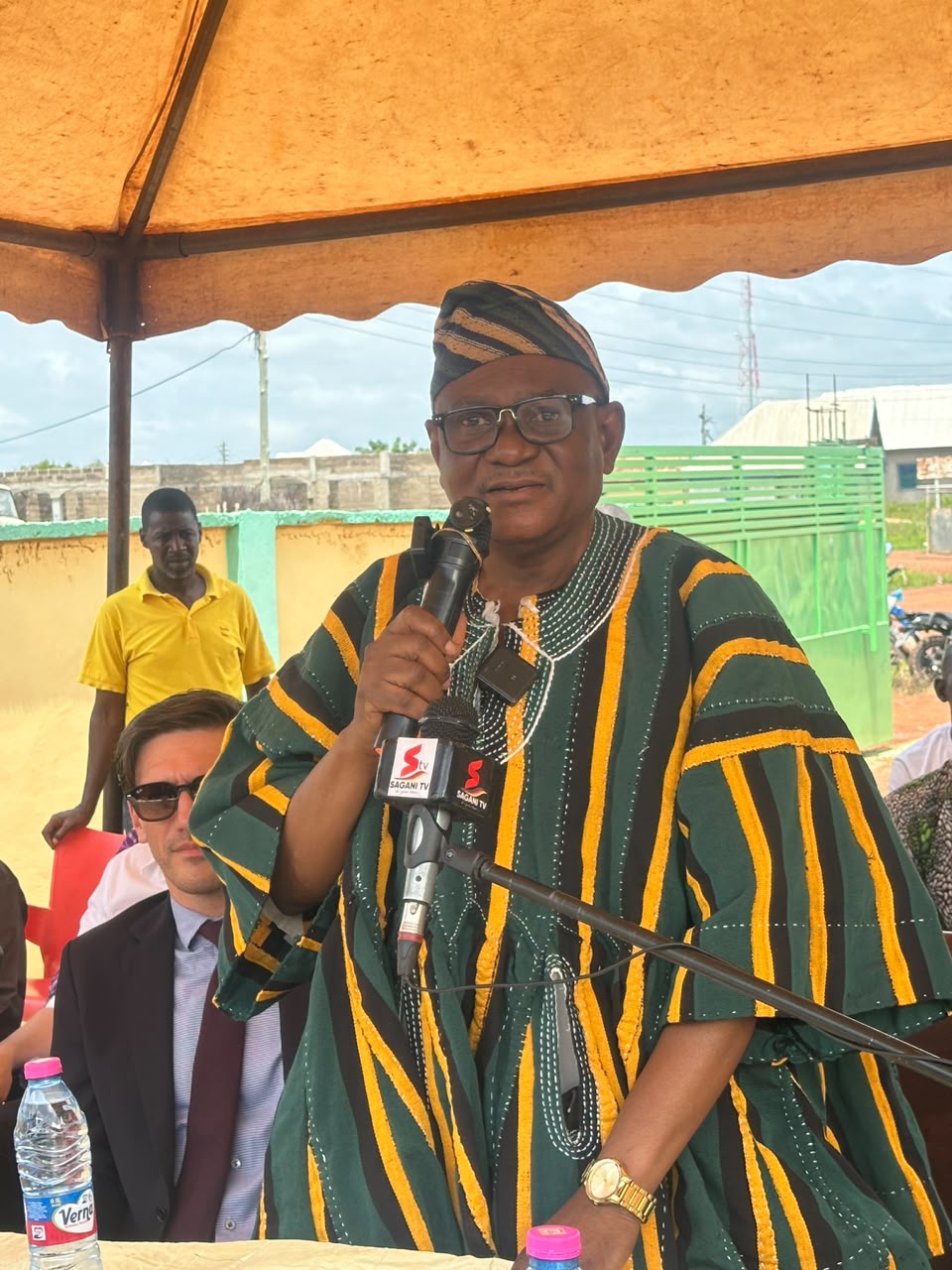
He appealed to the traditional authorities, Unit Committee and Community Health Committee to take ownership of the facility by protecting it from theft and damage and maintaining clean surroundings.
Residents, particularly pregnant women and parents, were also encouraged to make full use of the facility by attending antenatal care early and ensuring that children receive all scheduled immunisations.
He further appealed to the community to support health workers, including helping provide safe accommodation to encourage them to remain in the community and deliver quality services.



The MCE expressed appreciation to the Government and people of the Federal Republic of Germany, the Government of Ghana, the District Assemblies Common Fund, the Ministry of Local Government, the Northern Regional Coordinating Council and the Ghana Health Service for their respective contributions to the project.
He described the commissioning as evidence that when communities articulate their needs, local authorities plan effectively and development partners provide support, pressing community needs can be transformed into essential public services.
Report By: Robicon Mornahson









0 Comments