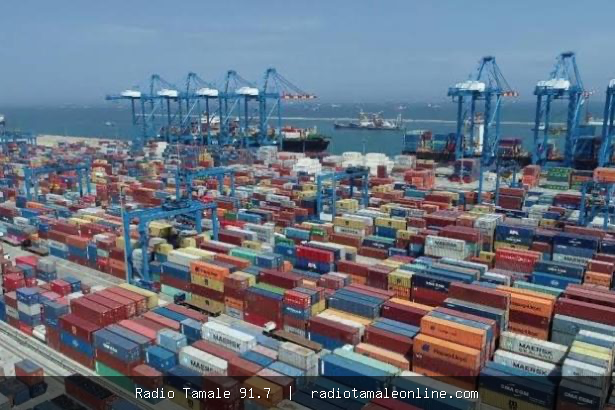
A suspected cartel involved in the illegal removal and diversion of containers from the Tema Port has been uncovered following the arrest of several persons linked to the illegal operation. The incident came to light over the weekend after an aggrieved owner reportedly stumbled upon his goods being offloaded from a container into a warehouse near the GHACEM area in Tema.
The discovery came as a shock to the owners, some of whom had not completed the required customs processing for the goods within the port.
The Herald’s investigations into the illegal removal of containers from the Tema Port uncovered the disappearance of about 25 container loads of imported goods, with only four containers traced so far. National Security is said to be investigating the matter.
Of the four containers located, two contain cyanide, raising serious concerns about the whereabouts of the remaining consignments, particularly three other containers that also contain the hazardous chemical used in mining.
People familiar with the development told The Herald that the containers contained a variety of imported goods, including cyanide, sardines, rice, ethanol, tinned tomatoes, condensed milk, black pepper, and wax prints.
The goods were in transit to Burkina Faso, Mali, and Côte d’Ivoire.
Some of the owners have confronted the persons involved in the smuggling and subsequently reported the matter to the Regional Police Command at the Harbour.
The suspects were arrested and, according to sources, allegedly confessed to their involvement in the illegal operation.
During questioning, the suspects reportedly referred to powerful individuals within the port who were allegedly involved in moving the containers. However, the arrested persons were subsequently released.
Sources familiar with the development told The Herald that the alleged kingpins behind the operation may have played a role in securing the release of the arrested persons.
On Saturday, 19 September 2026, several attempts were made to move the containers to the Ghana Ports and Harbours Authority (GPHA) terminal at Kpone. However, the vigilance of officials from the Customs Division of the Ghana Revenue Authority (GRA) and the police reportedly led to the interception of some containers.
The intercepted containers were subsequently escorted to the regional office, where they were secured and locked up pending further action. However, in a development that has raised further concerns about the suspected operation, the containers reportedly disappeared before the following morning.
Sources said that before dawn on Sunday, 20 September 2026,the containers that had been intercepted and secured at the regional office had allegedly been moved. The circumstances surrounding the removal of the containers remain unclear, raising questions about how they could have been removed after being intercepted and secured by law enforcement authorities.
It’s suspected that the cartel may be attempting to remove evidence and cover its tracks.
The latest development has raised concerns among officials and stakeholders over the apparent ability of persons involved in the illegal operation to move containers despite interventions by Customs and the police.
The development is also expected to draw renewed attention to security and revenue-protection measures at the Tema Port, since the illegal removal of containers truncated customs procedures.
Many believe that the scale and apparent coordination of the operation may require intervention at the highest level to ensure that those behind the criminal enterprise are identified and brought to book.
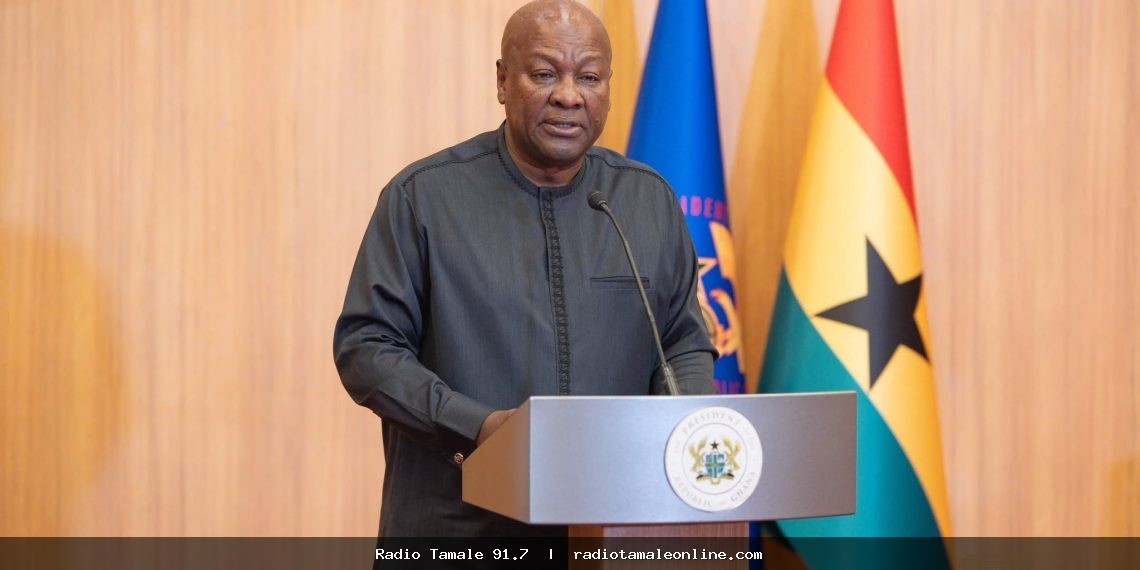
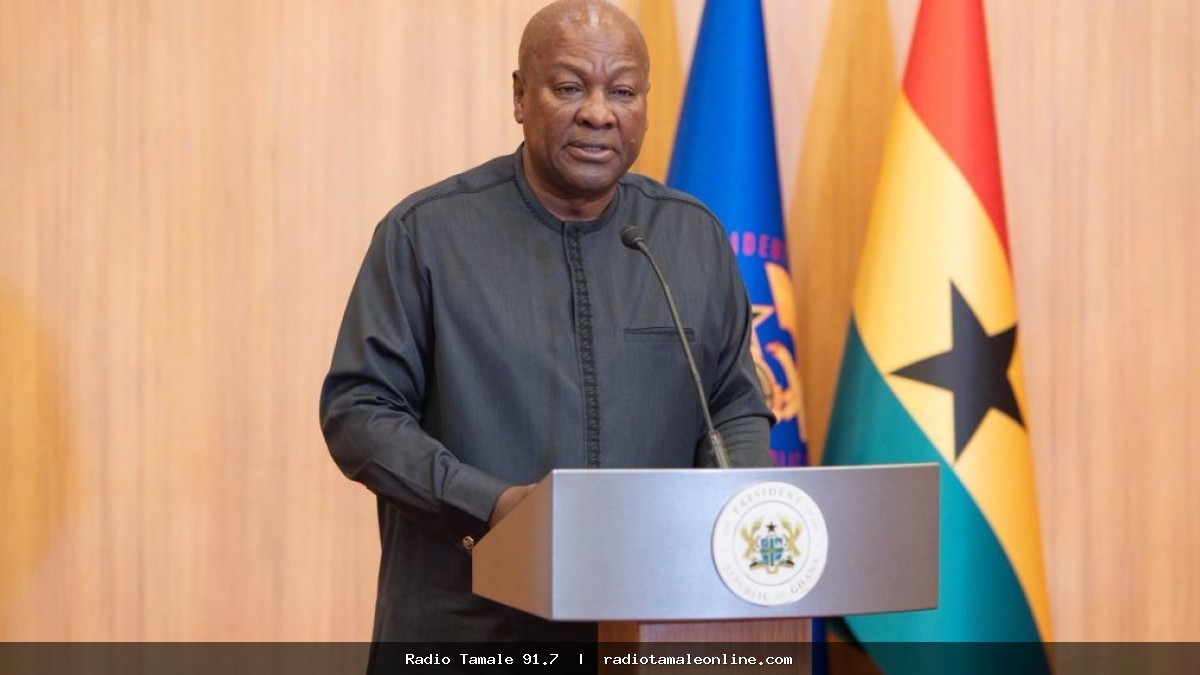
They have therefore called for President John Dramani Mahama to intervene, as he has done in other cases involving alleged corruption and criminal activity, to ensure a thorough investigation into the circumstances surrounding the removal of the containers.
The investigation is expected to focus not only on those who were arrested but also on the masterminds and any officials or other persons who may have facilitated the movement of the containers.
The disappearance of the containers is said to have triggered anger among some importers, including Chinese traders, who are concerned about the implications for Ghana’s reputation as a major regional trading and transit hub.
At the centre of the allegations is Prince Awudu, identified by importers as the Chairman of the Confiscated Assets Committee.
According to The Herald’s sources, some persons arrested in connection with the alleged removal of the containers initially told investigators that Prince Awudu had instructed them to move some of the containers to Kpone, while the contents of the others were to be sold, with the proceeds taken to his office.
However, the suspects’ accounts reportedly changed during questioning. One of the persons arrested is said to have initially mentioned Prince Awudu but subsequently named Alfred Tutu as the person who allegedly instructed him to move some of the containers and sell the contents of others.
The Herald understands that Alfred Tutu was subsequently contacted and asked to report to the police yesterday, Tuesday, September 22, 2026, after investigators reportedly expressed difficulty locating him.
Sources told The Herald that of the approximately 25 containers removed, only four had been seen as of Tuesday, September 22.
The remaining 21 containers were emptied and their contents sold.
According to some importers, efforts were made from Friday, September 18, through Tuesday, September 22, to recover some of the missing containers, but the expected consignments were not returned.
One source said: “They took 25 containers. Out of the 25, only four have been seen. The rest have been sold.”
The source said the containers were transit cargo and had not incurred demurrage, the charges imposed on cargo that remains at a port beyond the permitted period. Reports that the goods were put on sale despite the absence of a demurrage issue are also forming part of the concerns being raised by the affected importers.
Perhaps the most serious concern relates to the containers carrying cyanide, a hazardous chemical commonly used in gold processing.
According to the information gathered by The Herald, out of five containers with cyanide, only two of those containers have so far been found with cyanide reportedly still inside.
This has raised fears among sources that the contents of the remaining containers could have been diverted elsewhere. Some have expressed concern that the missing cyanide could potentially end up at illegal mining sites, commonly known as galamsey sites.
One of the affected importers, identified by sources as Zongo, is said to have made payments relating to 16 of the containers before they were removed, opened, and their contents emptied, despite records relating to some of the containers indicating that some of the importers had paid the shipping lines and the relevant port charges.
They said some of the containers had also not passed through UCL, but were nevertheless removed from the port and offloaded elsewhere.
The situation has raised questions about how the containers could have been moved without completing the normal customs and terminal processes.
The Herald has also learnt that some persons allegedly connected to the removal of the containers have been seeking the assistance of Customs officials to issue permits that could retrospectively cover the movement of the goods. According to sources, Customs officials have so far refused to issue such permits.
The refusal is said to have frustrated efforts to regularize what is described as an illegal removal of the containers.
Attempts by some persons to link the operation to the former Chairman of the Confiscated Assets Committee, Dogbatse, have yielded little support among The Herald’s sources.
Several insiders insisted that Dogbatse had no knowledge of the alleged operation and had not returned to the port since his removal from office.
One source, emphatically defending the former chairman, said: “He never does something like this.”
There are also claims that some of the people behind the smuggling of the containers attempted to suppress the scandal by offering US$2 million to importers. The money was rejected.
The source instead pointed to the current chairman, Prince Awudu, as the name that had repeatedly surfaced among affected importers and those familiar with the developments. Also mentioned as having ties with Prince Awudu is one Afari.
Others have also raised questions about the role of a terminal manager in the movement of some of the containers. They claimed that some of the containers were removed without following the normal terminal procedures and suggested that this could not have occurred without the knowledge or cooperation of personnel operating within the terminal.
One source alleged: “This is being done together with the terminal manager; they are acting together.”
The disappearance of the goods has angered some of the affected importers, particularly Chinese traders whose goods are said to be among the missing consignments.
Sources said some of the Chinese owners of the goods are currently in Ghana and are seeking answers about the whereabouts of their consignments.
The development, according to insiders, could damage confidence in Ghana’s ports if the allegations are not properly investigated and resolved. One source described the situation as potentially embarrassing for Ghana’s port system, particularly because the affected consignments were allegedly in transit to neighbouring countries.
Importers are questioning how containers could allegedly be removed, opened, and their contents sold despite shipping-line payments, port charges, and other documentation associated with the cargo.
The central questions now confronting investigators include who authorized the removal of the containers, how they were removed from the port, who received the goods, where the missing consignments are, and whether officials or private operators assisted in the process.
Of particular concern is the whereabouts of the missing cyanide containers, given the chemical’s hazardous nature.
With only four of the 25 containers reportedly traced, pressure is mounting for a comprehensive investigation to establish the full chain of events and identify all persons who may have been involved.
The affected importers are also said to be seeking a resolution to recover their goods or otherwise address their losses.
For Ghana’s port authorities and law-enforcement agencies, the matter presents a serious test of the controls governing transit cargo and the system’s ability to prevent containers from being illegally removed before their legitimate owners complete the required processes.

0 Comments