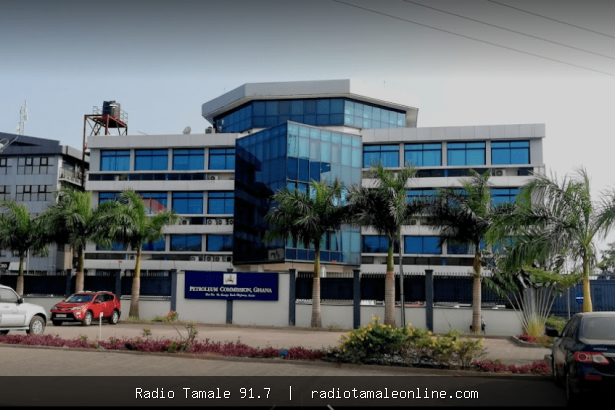
The Petroleum Commission says its regulatory oversight of Ghana’s upstream petroleum sector has generated about US$2.2 billion in savings and potential gains for the state.
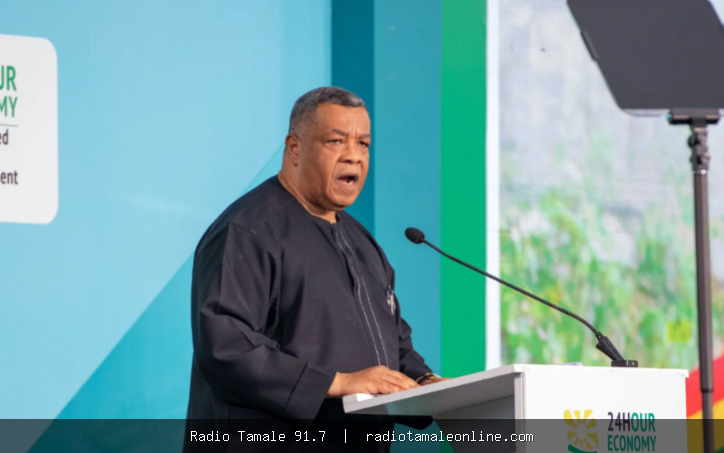
The Commission’s Chief Executive Officer, Emeafa Hardcastle, disclosed this during the launch of activities to mark the institution’s 15th anniversary.
She said about US$2 billion of the amount came from reviews of major field development plans, procurement processes and related costs.
The Greater Jubilee Full Field Development Plan accounted for about US$1 billion in savings, while a review of the Jubilee Plan of Development Phase 1A generated approximately US$210 million.
The Commission also saved about US$510 million through its review of the TEN Plan of Development, while a review of OCTP SURF and T&I costs resulted in savings of approximately US$200 million.
Ms Hardcastle said the interventions had strengthened the state’s stewardship of Ghana’s hydrocarbon resources and improved the revenue derived from their exploitation.
The Commission has also scrutinised procurement and tendering processes to ensure that petroleum operators secure value for money.
A recent petroleum cost audit identified US$229 million in infractions in one of Ghana’s contract areas.
According to Ms Hardcastle, the amount has been removed from the pool of allowable petroleum costs, potentially increasing government revenue through future Corporate Income Tax and Additional Oil Entitlement.
“These have since been struck out from the pool of allowable petroleum cost,” she said.
The CEO said the Commission also reviews contractors’ work programmes and budgets to ensure that expenditure remains within approved activities and is properly controlled.
Beyond cost savings, the Commission said its regulatory work has contributed to increased participation by Ghanaian companies in the upstream petroleum industry.
Since the introduction of the 2013 Local Content and Participation Regulations, the Commission has supervised the award of US$4.9 billion worth of contracts to indigenous Ghanaian companies.
The figure represents 22% of total contracts awarded during the period.
Joint venture companies involving Ghanaian and international firms secured a further US$7.9 billion in contracts, representing 35% of the total.
Ms Hardcastle said the Commission’s objective has been to deepen Ghanaian participation and increase value addition within the country while preventing the petroleum sector from operating as an enclave economy.
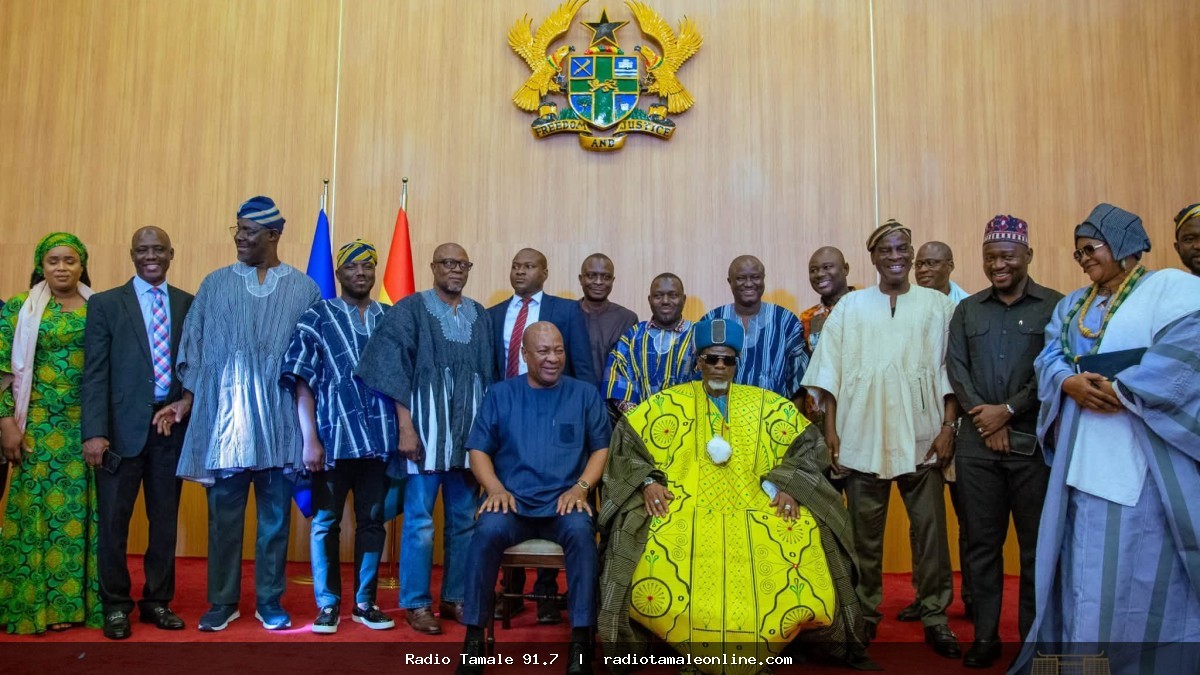
The 15th anniversary launch brought together former Chief Executives of the Petroleum Commission, industry stakeholders and other key players in Ghana’s petroleum sector.
The Commission is expected to undertake a series of activities as part of its anniversary celebrations.




0 Comments