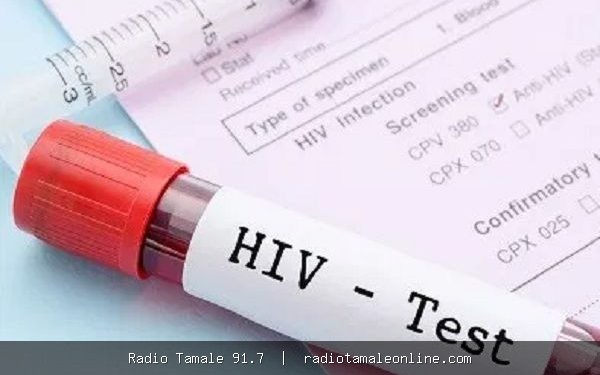
The Ghana AIDS Commission has moved to clarify public concerns following media reports about HIV test results from the ongoing security services recruitment exercise, stressing that preliminary screening outcomes should not be mistaken for confirmed HIV diagnoses.
In a statement issued on Wednesday, July 8, the Commission said it was important to provide scientific clarification on HIV testing protocols while protecting the rights and dignity of individuals, following widespread discussions about reports that approximately 1,300 applicants recorded reactive HIV test results during the recruitment exercise.
According to the Commission, the reported figure represents about 1.3 percent of the roughly 100,000 applicants screened, a rate that is broadly consistent with Ghana’s estimated national HIV prevalence of 1.49 percent among adults at the end of 2024.
“First, the reported figure of approximately 1,300 reactive HIV test results out of about 100,000 applicants represents approximately 1.3 percent of those screened. This is broadly consistent with Ghana’s estimated national HIV prevalence of 1.49 percent among adults at the end of 2024. The reported figures should therefore not be interpreted as unusual or indicative of an emerging public health concern.
“Secondly, the Commission wishes to clarify that, under national HIV testing guidelines, a single reactive HIV test result does not constitute a confirmed HIV diagnosis. An initial reactive result is preliminary and must be followed by the nationally approved three-test serial testing algorithm before an individual’s HIV status can be confirmed.
“It is therefore important that public communication accurately distinguishes between an initial reactive screening result and a confirmed HIV-positive diagnosis.”
The Commission therefore urged public officials, the media and the general public to distinguish clearly between a reactive screening result and a confirmed HIV-positive diagnosis to avoid misinformation and unnecessary panic.
“The Commission recognises that public communication on HIV, if not carefully framed, may unintentionally reinforce stigma and discourage individuals from accessing HIV testing and treatment services.
“Ghana has made significant progress in expanding access to HIV prevention, treatment and care, and sustaining these gains requires creating an environment in which people feel confident to know their status without fear of discrimination.”













0 Comments