
Government has initiated high-level consultations across Ghana’s petroleum value chain to assess the potential impact of the ongoing Middle East crisis on domestic fuel security and price stability.
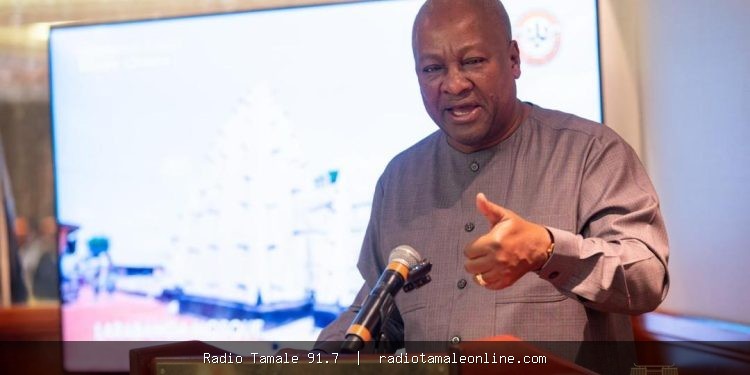
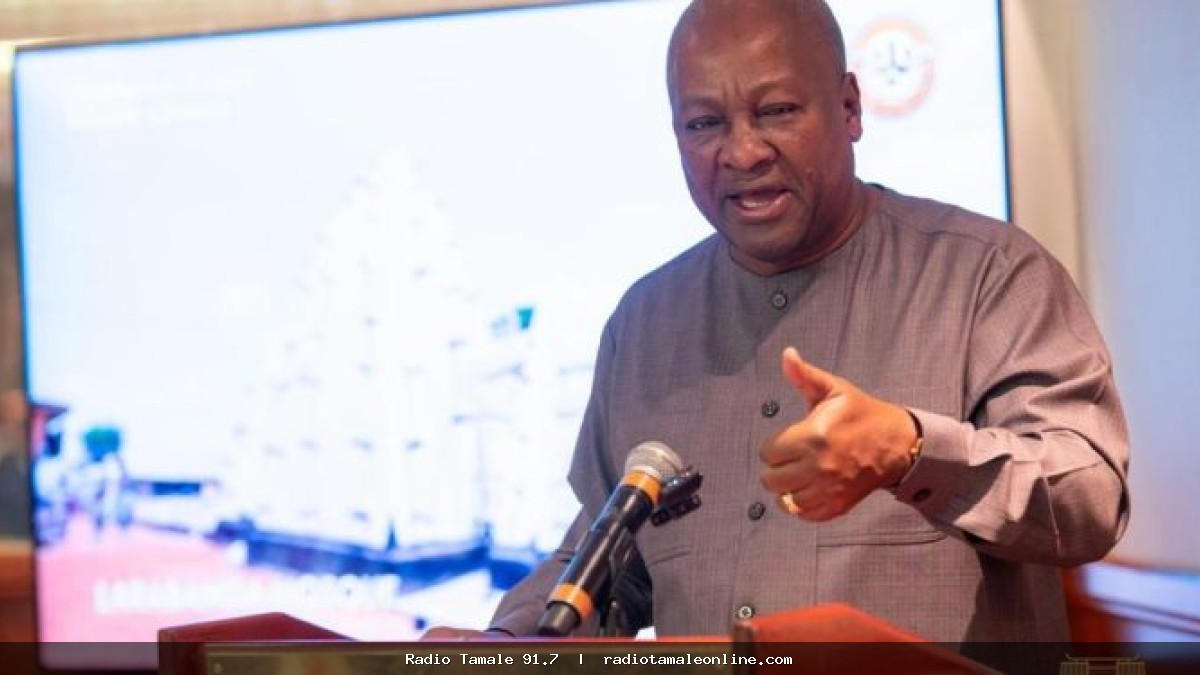
The Minister for Energy and Green Transition, John Abdulai Jinapor, convened a strategic meeting with key sector players as part of proactive measures to anticipate supply disruptions and cushion the economy from external shocks.
Participants included the National Petroleum Authority (NPA), BOST, the Ghana National Petroleum Corporation (GNPC), Oil Marketing Companies and Bulk Import, Distribution and Export Companies.
Discussions focused on heightened volatility in global crude markets, rising freight costs, potential supply chain interruptions and the likely pass-through effects on domestic pump prices and consumer welfare.
With Ghana heavily reliant on imported refined petroleum products, sustained geopolitical instability in key oil-producing regions poses risks to supply continuity and foreign exchange stability.
This prolonged market turbulence could therefore exert upward pressure on fuel prices, with ripple effects across transport, food distribution and broader inflation dynamics.
John Jinapor emphasised the need for coordinated and forward-looking interventions, indicating that contingency frameworks are being reviewed to minimise exposure to external shocks.
He further directed the NPA to intensify market surveillance and strengthen engagement with industry operators to ensure compliance and price transparency.
Sector agencies have also been urged to maintain adequate strategic fuel reserves and closely monitor international developments to guarantee uninterrupted nationwide distribution.Government maintains that it is prepared to deploy necessary measures to sustain petroleum supply while mitigating potential hardship for consumers amid ongoing global uncertainty.








0 Comments