The Upper West Region says 922 of its 1,167 communities are now free of open defecation, the regional environmental health department said ahead of World Toilet Day.
Emma Tuonfiribo, the department's community-led total sanitation focal person, said on Wednesday that 95 communities were declared between January 2024 and this year. The new total, 922 of 1,167, works out at about 79 per cent.
Nandom municipality added 30, the most of any district. She said the region would mark the day there with SNV, the Netherlands development organisation.
Sissala East and Wa East recorded no new open-defecation-free community in that period. Nadowli-Kaleo added 22, and Daffiama-Bussie-Issa added 15.
Pupils at the English and Arabic Basic School once shared one toilet with the neighbourhood and used the bush. Headmistress Ayisha Ibrahim called that arrangement "genuinely dangerous".
A crocodile attacked a goat in the bush beside the school. Healthy Future for All has built a gender-friendly toilet there, backed by the Helmsley Charitable Trust.
The programme works in Nandom and Lambussie. SNV cites a UNICEF estimate that 1.8 million children in Ghana have no toilet at school.
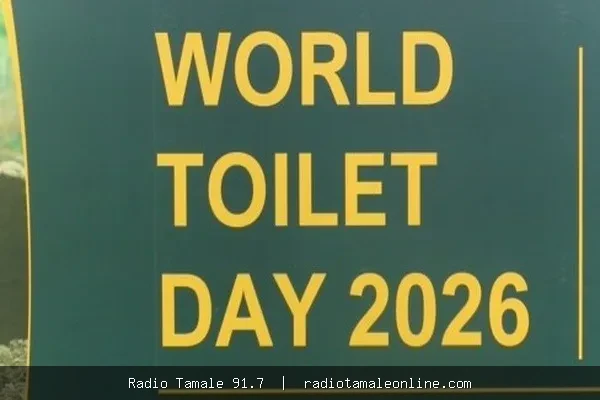
This year's World Toilet Day line is "Safe toilets. Equal futures."
The ministry had already opened the commemoration under that line, ahead of 19 November.
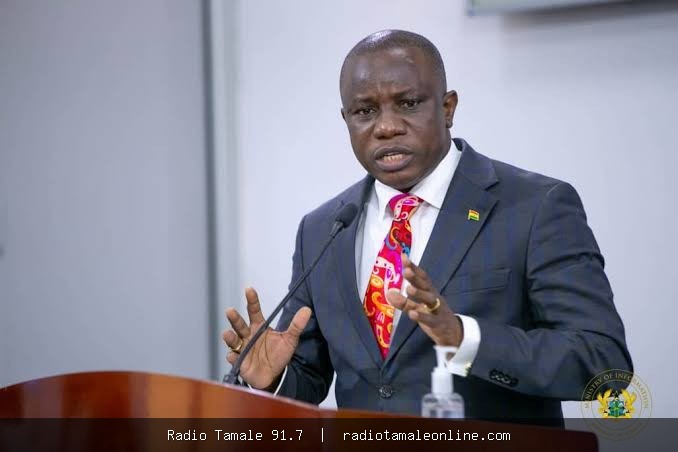
Speaking at the national commemoration in Bongo, Deputy Minister Rita Naa Odoley Sowah said sanitation will receive a 10 per cent share under the District Assemblies Common Fund.
The event's theme was "From Open Defecation to Open Opportunity Through the Gender Lens." WaterAid Ghana was the ministry's partner.
Parliament's sanitation committee has been checking how assemblies in the Central and Western regions spent a Common Fund share that sets 10 per cent aside for sanitation, with another 10 per cent for boreholes.
Ewurabena Yanyi-Akofur, who leads WaterAid Ghana as country director, tied decent toilets directly to equality, human dignity and public health. She pointed to pregnant women, schoolgirls who miss classes, and people shut out by facilities they cannot reach.
Upper East Regional Minister Akamugri Donatus Atanga asked all 15 assemblies to improve household and public toilets. He said sanitation had to become a sustained public duty and a way of life.
Source: 3news
0 Comments