
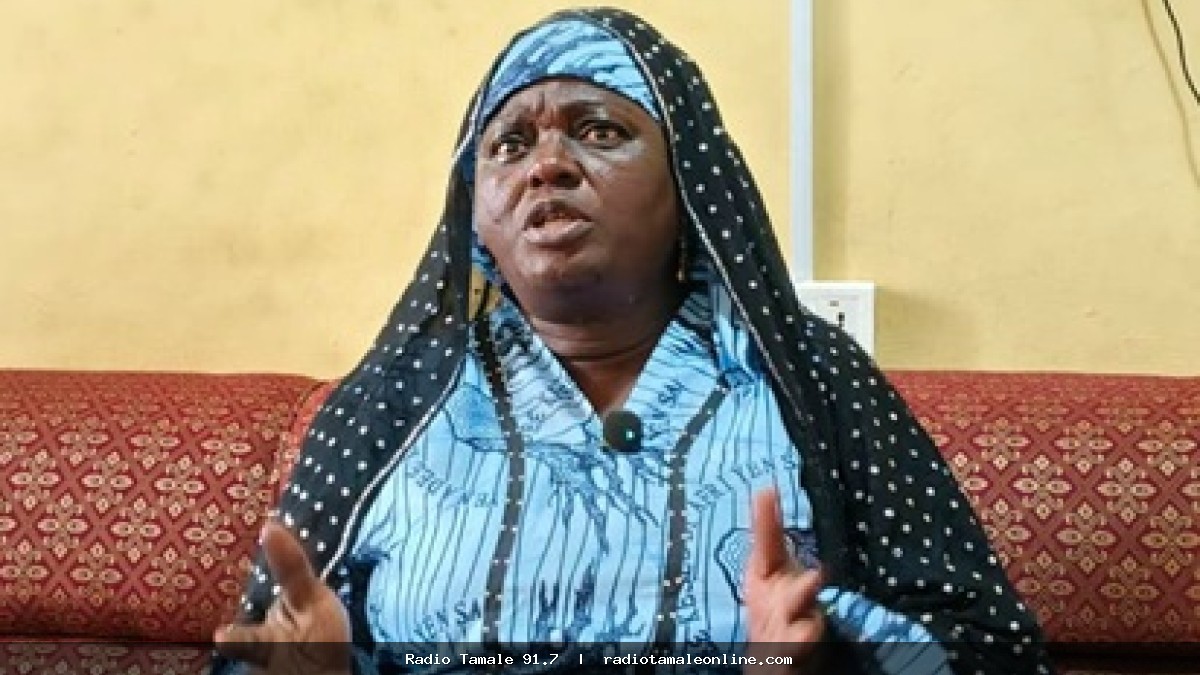
The President of the Ghana Shea Employers Association of the Northern Region and Chief Executive Officer of Maltiti A. Enterprise Limited, Hajia Rabiatu Abukari, has urged the government to establish local facilities for organic shea testing and certification, arguing that Ghanaian dealers continue to spend unnecessarily on a process that could be handled within the country.
Speaking on challenges confronting the shea industry with the Daily Graphic, Hajia Abukari said processors were still compelled to send samples abroad for testing before organic certification could be obtained, a situation that increases costs and delays business operations.
Her concerns come at a time when demand for certified organic shea products continues to rise across Europe, North America and parts of Asia, where the products are widely used in the cosmetics, pharmaceutical and personal care industries.
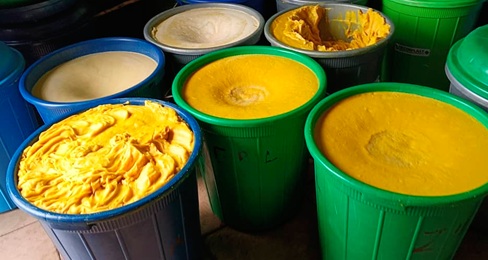
Ghana is among Africa's leading shea-producing countries. Across the Northern, Savannah, North East, Upper East and Upper West regions, thousands of women depend on the collection, processing and sale of shea products as a source of income.
Organic shea products must meet internationally recognised standards. Producers are required to demonstrate that the nuts are collected from areas free from prohibited chemicals and that strict procedures are followed during harvesting, processing, storage and transportation to prevent contamination. Certification is granted only after inspections and testing by accredited bodies.
According to Hajia Abukari, Ghana's continued dependence on foreign laboratories for this process places local businesses at a disadvantage.
"Before organic shea is certified, samples have to be flown outside the country for testing. This increases costs for businesses and delays the certification process.
We produce the nuts and process the butter here, so it is only proper that we develop the capacity to test and certify our products locally," she said.
She called on the government, the Ministry of Trade, Agribusiness and Industry, and the Ghana Standards Authority (GSA) to invest in the infrastructure, equipment and technical expertise required to support local testing and certification.
For a country that supplies significant quantities of shea nuts and butter to the international market, she believes relying on external laboratories is no longer sustainable.
Local testing, she said, would reduce certification costs, shorten waiting periods and strengthen confidence in Ghana's quality assurance systems while improving the competitiveness of locally processed products.
Raw nut exports
Beyond certification, Hajia Abukari Rabiatu expressed concern about the growing export of raw shea nuts, warning that the trend is making it increasingly difficult for local processors to access the quantities they need for production.









0 Comments