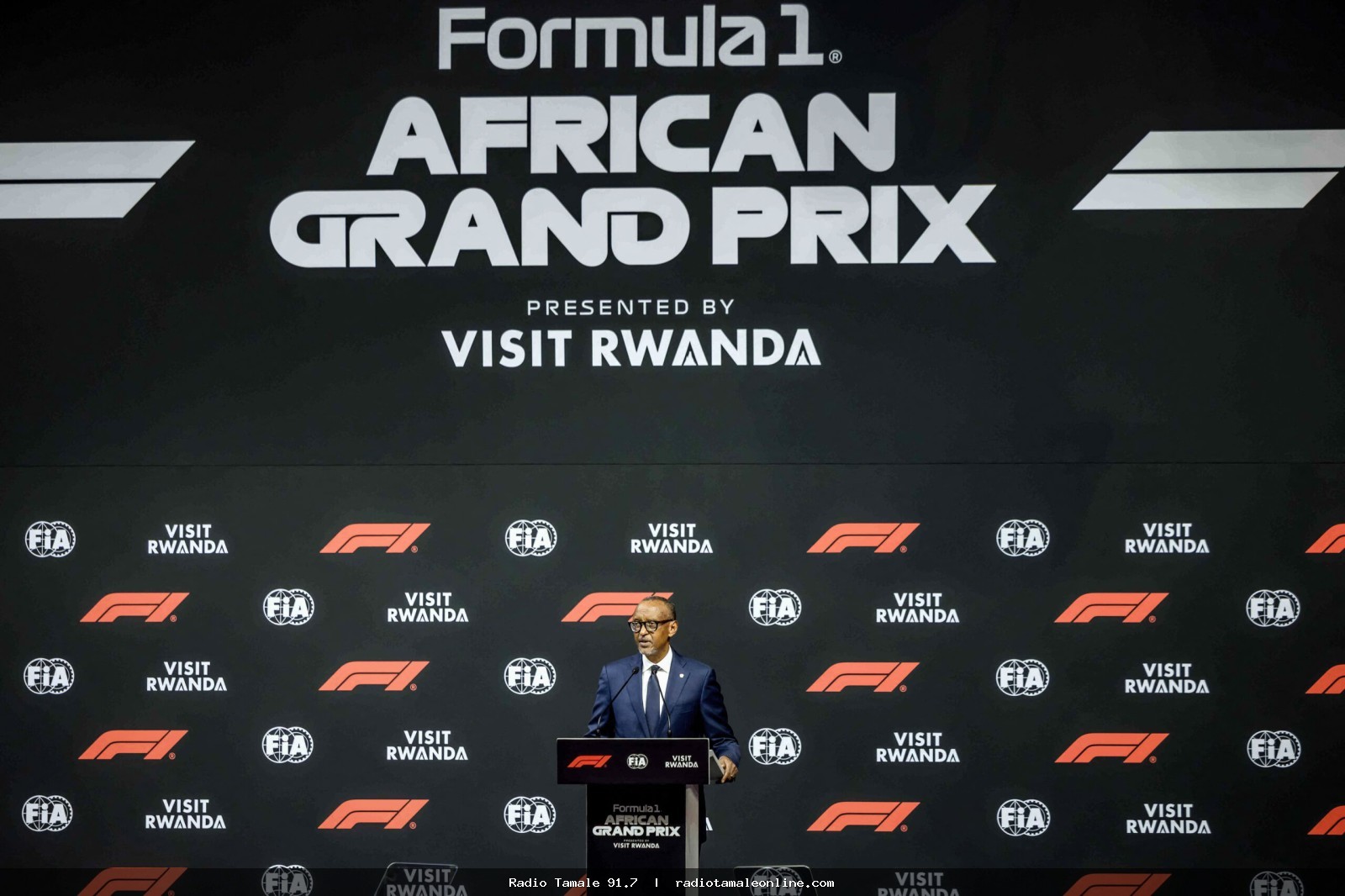
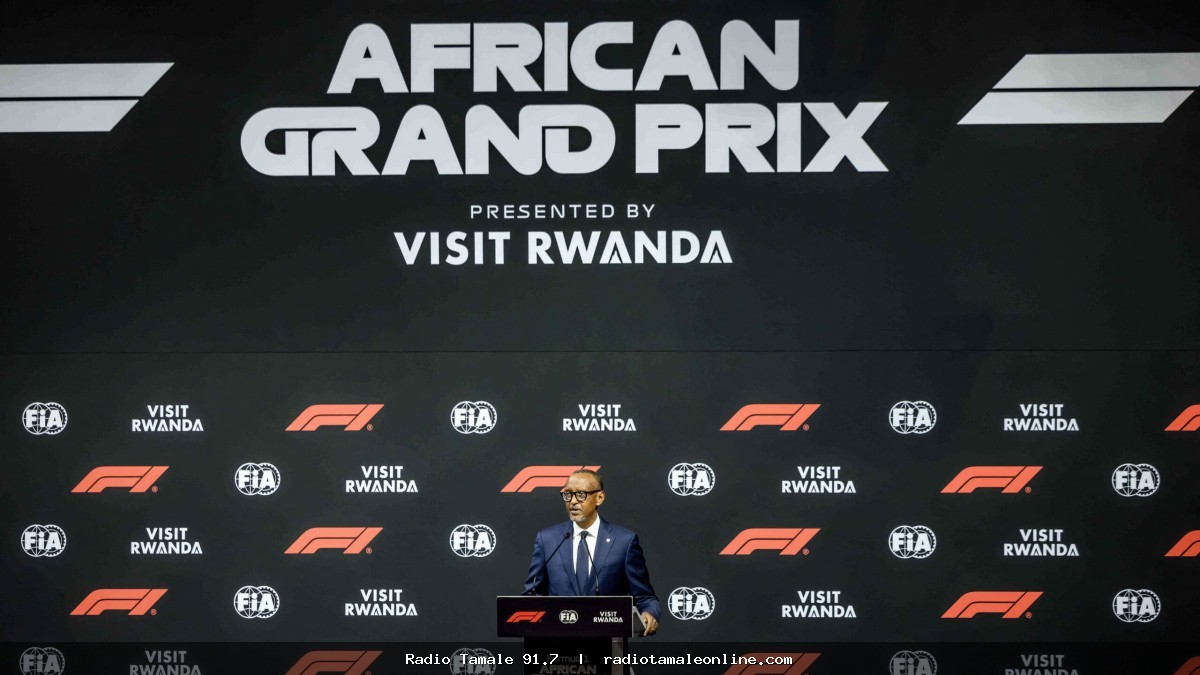
Rwanda is positioning its planned Formula 1 African Grand Prix as a major sporting and economic opportunity, with preparations expected to focus on competition, entertainment and business development.
Sports Minister Nelly Mukazayire says the country’s approach to hosting the prestigious motorsport event will extend beyond the racing circuit, with ambitions to create wider opportunities for businesses, develop local skills and showcase African talent.
Rwanda has signed a 10-year agreement to host the race from the early 2030s. The event is expected to take place at a new circuit in Bugesera, near the capital, Kigali, as the country works towards bringing Formula 1 back to the African continent.
The planned Grand Prix represents an opportunity for Rwanda to strengthen its position as a destination for international sporting events while attracting visitors, investment and global attention.
According to the government’s vision, the race is expected to support tourism growth and create employment opportunities across several sectors. These could include hospitality, transport, event management and other services that typically support major international sporting competitions.
The initiative is also intended to build skills and create opportunities for African professionals and businesses to participate in the wider motorsport industry.
Mukazayire’s emphasis on competition, entertainment and business reflects an approach that seeks to connect the sporting spectacle with broader economic ambitions. Beyond the action on the track, the event could provide a platform for businesses to reach international audiences and for local professionals to gain experience in delivering a major global sporting occasion.
For Rwanda, the challenge will be to translate the ambitions surrounding the Grand Prix into tangible benefits for its people and economy. Delivering an event of Formula 1’s scale will require substantial planning, infrastructure development and coordination across different sectors.
The government’s stated objectives place tourism, employment, skills development and commercial opportunities at the centre of its preparations.
With the race targeted for the early 2030s, Rwanda has time to develop the necessary facilities and establish the systems required to host the event.
If successfully delivered, the Grand Prix could become more than a motorsport attraction, offering Rwanda a platform to promote its tourism industry and connect African talent and businesses with the international sporting economy.
The long-term measure of success, however, will be how effectively the event converts global attention into lasting opportunities for local communities and enterprises.
By: Addy Kennedy Edem







0 Comments