The Bank of Ghana says strengthening financial literacy has become critical to safeguarding consumers as digital financial services continue to expand, warning that poor financial knowledge is exposing many Ghanaians to avoidable borrowing risks, dormant accounts and misconceptions about basic banking products.
According to the central bank, improving financial capability at an early age is expected to strengthen consumer protection and encourage more responsible use of financial services before young people become active participants in the financial system.
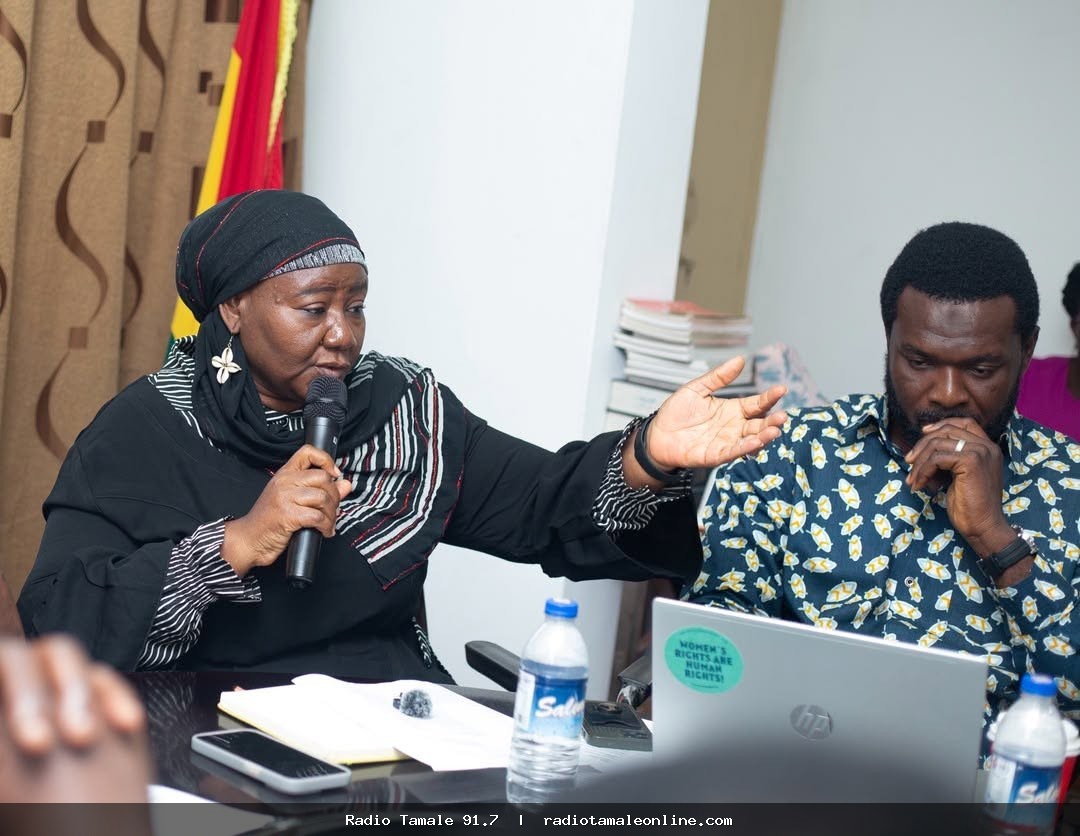
Speaking on the sidelines of a financial literacy programme for selected senior high schools in the Western Region, Godfred Cudjoe of the Bank of Ghana’s Financial Stability Department said the central bank deliberately shifted part of its financial education campaign to second-cycle institutions after years of engaging market women, the media and the wider public.
“Now we thought of having this also for our second cycle institutions. The idea is to catch them young. We want the same knowledge with the kids.”
He said the objective extends beyond the classroom, with students expected to transfer that knowledge to their households and make informed financial decisions throughout their lives.
“Once they go home, they’ll be able to also explain some of the things to their parents and they themselves will be able to make some sound financial decisions.”
A major focus of the programme is responsible borrowing, particularly as digital credit products become more accessible. Mr. Cudjoe said students are being educated on the consequences of mobile loan defaults, the responsibilities of loan guarantors and the long-term impact poor repayment behaviour can have on an individual’s financial future.
The central bank also used the programme to tackle widespread misconceptions surrounding banking products, especially the role of a next of kin.
“The next of kin is merely a point of contact in case the bank is looking for that customer and they can’t find.”
He explained that a next of kin does not automatically inherit funds held in a bank account, but enables financial institutions to establish contact when an account becomes inactive or when the account holder cannot be reached.
Clarifying that distinction, he said, is important in preventing disputes and ensuring dormant accounts are properly managed.
Beyond banking products, the programme covered practical consumer protection measures, including how to identify Bank of Ghana-licensed financial institutions, safeguard banking passwords, lodge complaints against regulated institutions and recognise the security features of genuine Ghana cedi notes.
Students were also encouraged to handle the cedi responsibly by avoiding practices that damage banknotes, including writing on or spraying currency during social events.
The financial literacy initiative is currently being rolled out in selected senior high schools, including Archbishop Porter Girls, Adiembra Senior High School and Mpohor Senior High School, as the Bank of Ghana seeks to build a financially informed generation capable of making sound financial decisions in an increasingly digital economy.









0 Comments