
This morning Government institutions cited in the Auditor-General’s Special Audit Report appeared before the Public Accounts Committee (PAC) of Parliament to respond to issues relating to Government Outstanding Claims and Commitments as of 31 December 2024.
During the public hearing, the Committee chaired by Abena Osei Asare raised concerns about gaps in the special audit report, particularly the absence of key integrity details in Volumes One and Two.
It was therefore proposed that the Ministry of Finance reviews the report to address these omissions.
Ministries that appeared before the Committee include the Ministries of Finance, Food and Agriculture, and Trade, Industry and Agribusiness.
The engagements form part of ongoing efforts to ensure transparency and accountability in public financial management.
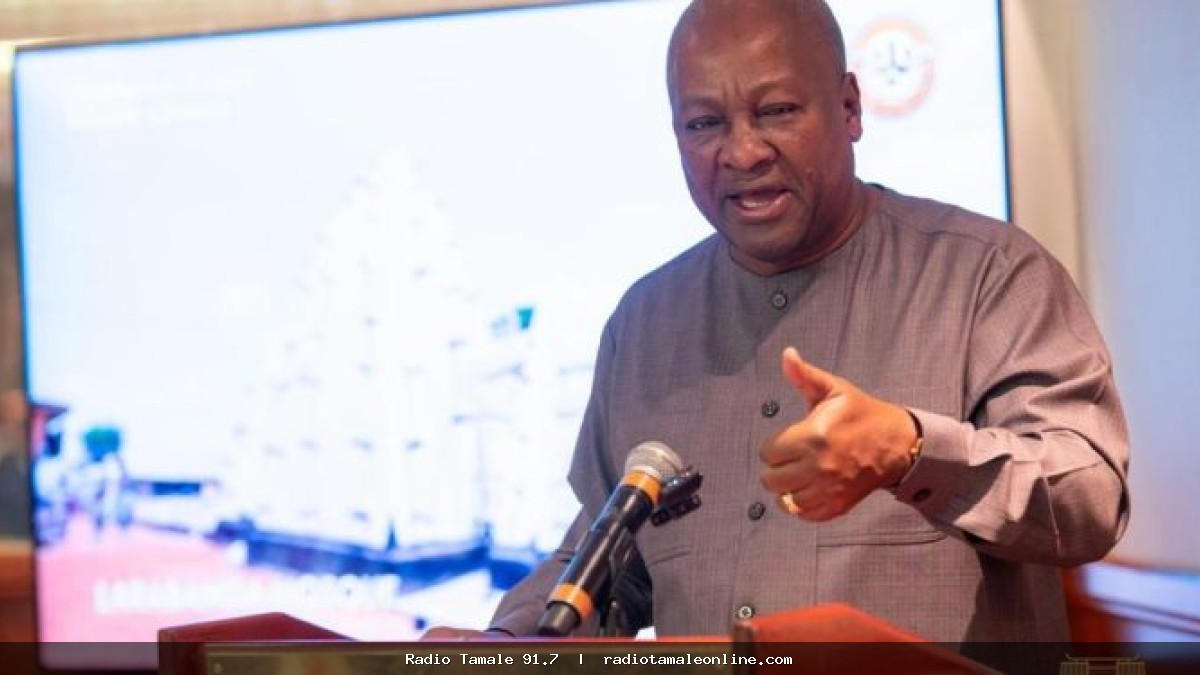
During proceedings, Deputy Finance Minister Thomas Nyarko Ampem said that Rans Logistics has returned GH₵19.1 million to the state, just a week after being named in an Auditor-General’s special report for overpayments and missing grains.
The company, cited for irregular payments related to the transportation of rice and maize, acted swiftly following the publication of the audit, which flagged the disappearance of thousands of tonnes of grain.
Speaking before Parliament’s Public Accounts Committee (PAC) on Monday, March 30 2026, the Deputy Minister described the repayment as early evidence that the audit is having tangible results.
On 10 March, I presented the audit findings to Parliament. Exactly a week later, on 17 March, Rans Logistics—the company identified in the report—refunded GH₵19.1 million to the state, he said.
The Deputy Minister clarified that the amount refunded does not fully cover the company’s alleged infractions. The audit had also revealed that Rans Logistics was paid for over 7,000 metric tonnes of rice that remain unaccounted for.
We are expecting the value of these 7,000 metric tonnes of rice to be reimbursed as well. The Attorney-General is working with his team to recommend the appropriate course of action for all the identified breaches, Mr Ampem stated.
He emphasised that the audit’s purpose is to protect public resources and that the swift repayment demonstrates its effectiveness.
This example highlights the importance of the audit. Its objective was to safeguard state resources, and it is already beginning to achieve that purpose, he said.












0 Comments