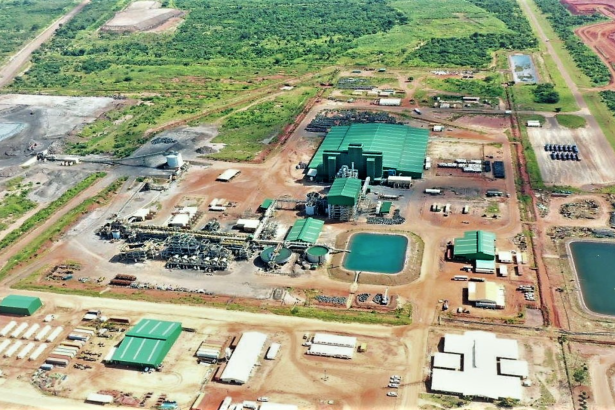
The United States is deepening its push into Africa’s critical minerals sector with a planned equity move into one of the world’s largest graphite operations in Mozambique, highlighting growing geopolitical competition over battery supply chains.
The US International Development Finance Corporation (DFC) said it will convert an existing $31 million loan to Syrah Resources – an Australian-listed firm that operates the Balama graphite mine in Mozambique, into equity, potentially securing a roughly 20% stake and becoming the second-largest shareholder.
The agency will also inject an additional $15 million into Twigg Exploration and Mining Limitada, the local unit operating the Balama graphite mine in Cabo Delgado.
Ecofin Agency reports that Syrah Resources has faced a turbulent two years, with its shares falling from about A$2.62 in November 2022 to near historic lows.
The investment builds on a US–Australia critical minerals supply agreement signed by President Donald Trump and Prime Minister Anthony Albanese in October 2025, targeting $8.5 billion in projects.
“In today’s era of global competition, economic security is national security,” DFC chief executive Ben Black said. “With this transaction, we will secure US access to one of the largest graphite reserves in the world.”
The deal marks one of the clearest moves yet by Washington to secure direct stakes in African mineral assets, as it seeks to counter China’s dominance in graphite supply chains.
Beijing currently controls the bulk of global production and processing, making diversification a strategic priority for the United States under President Donald Trump.
Balama’s scale makes it particularly attractive. The mine holds an estimated 110 million metric tons of graphite ore and is expected to operate for up to 50 years, positioning it as a cornerstone of future electric vehicle battery production.
The renewed global scramble for resources comes as African countries increasingly move to retain more value from their mineral wealth.
Governments across the continent are revising mining codes, increasing royalties, and pushing for local processing to reduce reliance on raw exports.
Mozambique itself has sought to balance foreign investment with domestic benefit, even as instability in Cabo Delgado disrupted operations in recent years.
The Balama mine was forced into an eight-month shutdown following unrest linked to a disputed election, highlighting both the risks and strategic importance of such assets.
As global demand for critical minerals accelerates, the US move signals a shift toward deeper state-backed involvement in Africa’s mining sector—just as African nations push to ensure a greater share of the profits stays at home.


0 Comments