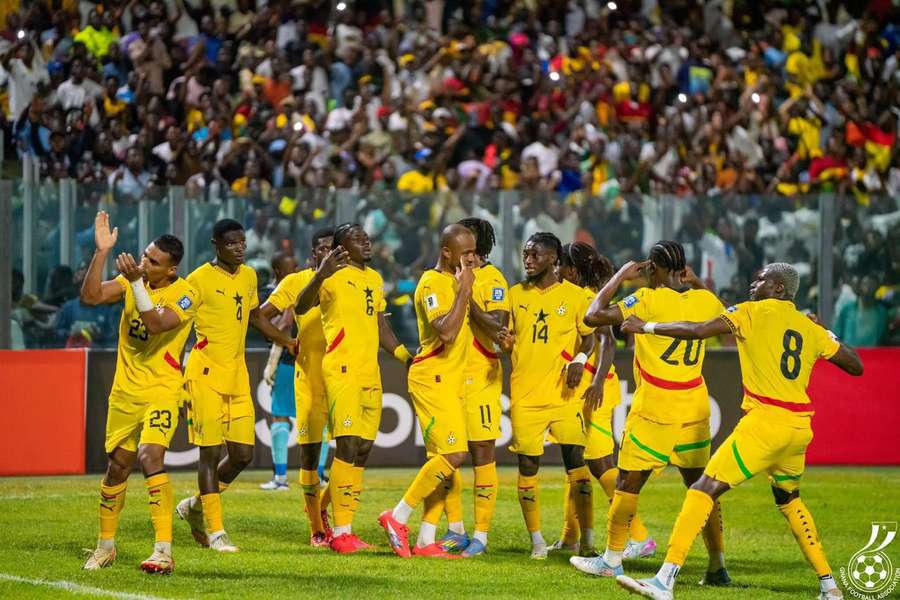
When the final whistle blew in Accra and Otto Addo sealed Ghana’s place at the 2026 FIFA world cup, jubilant cries rippled through the streets from Accra to Tamale. This was a moment to savor, a symbol of resilience, hope and national pride as the black stars booked their ticket to North America. Marking a fifth appearance at the global mundial, after previous outings in 2006, 2010, 2014 and 2022.
Yet beneath the celebrations lies a sobering truth. Mere qualification cannot cure the systemic ailments that have long held Ghanaian football back. For fans and pundits alike, the joy of qualification is tempered by frustration. The same structural issues that have plagued the game for decades; poor infrastructure, inadequate player welfare, inconsistent officiating, weak governance, and a lack of coherent development strategy, still loom large.
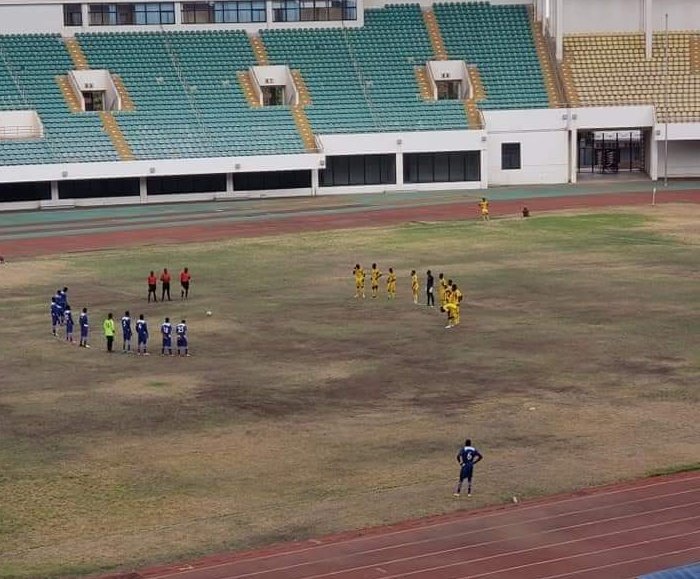
For all the glory of world cup nights and local derbies, the reality on the ground is stark. Across Ghana, football infrastructure remains woefully inadequate. Many stadia from regional grounds to historic venues are in various states of disrepair, with uneven pitches, worn out seats, and inadequate facilities for teams and fans.
Henry Asante Twum, Director of Communications at the Ghana Football Association (GFA), has openly admitted that inadequate funds have left several major stadia unsuitable for high-level competitions.
Even recent infrastructure investments are unevenly distributed. While a handful of elite facilities like the Legon sports stadium receive attention, community pitches and lower-division fields are often left to deteriorate, undermining grassroots development. One recent study highlights how uneven investment reinforces regional inequalities, with rural clubs often lacking basic access to quality training spaces.
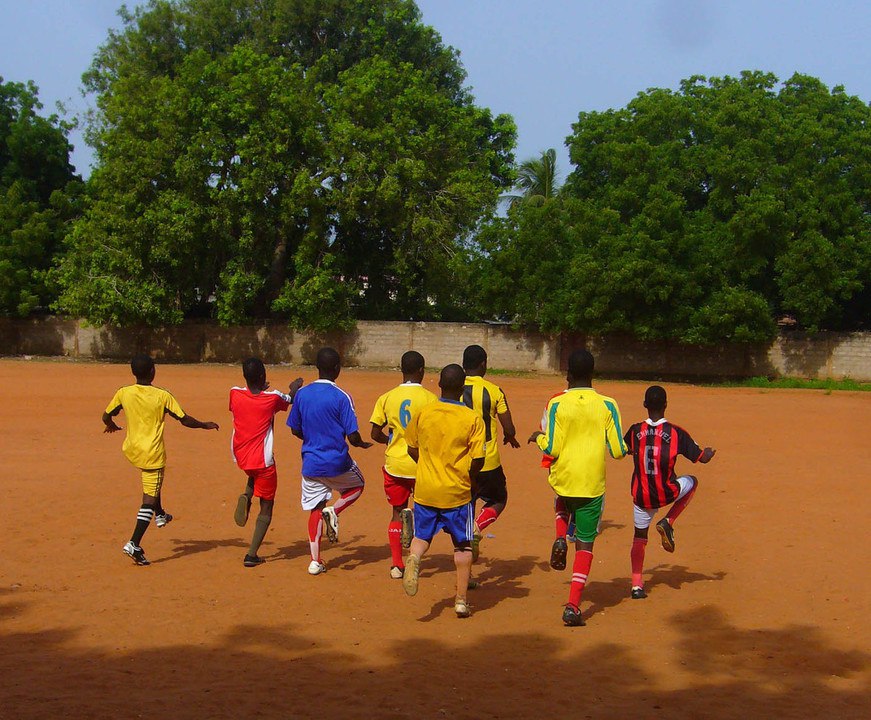
This infrastructure gap does more than just inconvenience players. It stifles development. Young prospects in remote communities, who often train on dusty, makeshift fields, are deprived of the space and safety required to cultivate world-class talent.
When Ghana qualifies for the world cup, it doesn’t automatically mean players and technical staff are rewarded fairly. Indeed, remuneration in Ghanaian football has long been a flashpoint.
In recent preparations for the 2026 qualifiers, the sports ministry cut bonuses for key members of the team’s support staff, including physiotherapists, psychologists and analysts, reducing previously proposed sums by more than half.
Same struggles with renumeration can be said for the domestics leagues. Coaches and players regularly call for improved welfare packages, citing inadequate funding and delayed payments that undermine morale and performance across the sport.
Sports and Recreation Minister, Kofi Adams has acknowledged that the current structure for bonuses and payments is flawed and require urgent review, with plans to establish a committee to evaluate the remuneration system. These issues are not just financial, they affect trust. Years of inconsistent pay and unpaid allowances erode confidence in the system and dissuade talented Ghanaian professionals from remaining in the domestic league.
For supporters of the Ghana premier league, discussions about officiating are never far away. Refereeing quality has long been a talking point, but until recently it rarely got beyond social media admonishments.
That began to change when former GHALCA president Kudjoe Fianoo publicly linked poor officiating to delayed payment of referees’ allowances. He warned that inconsistent or late pay leaves match officials vulnerable to outside influence, jeopardizing the integrity of competitions.
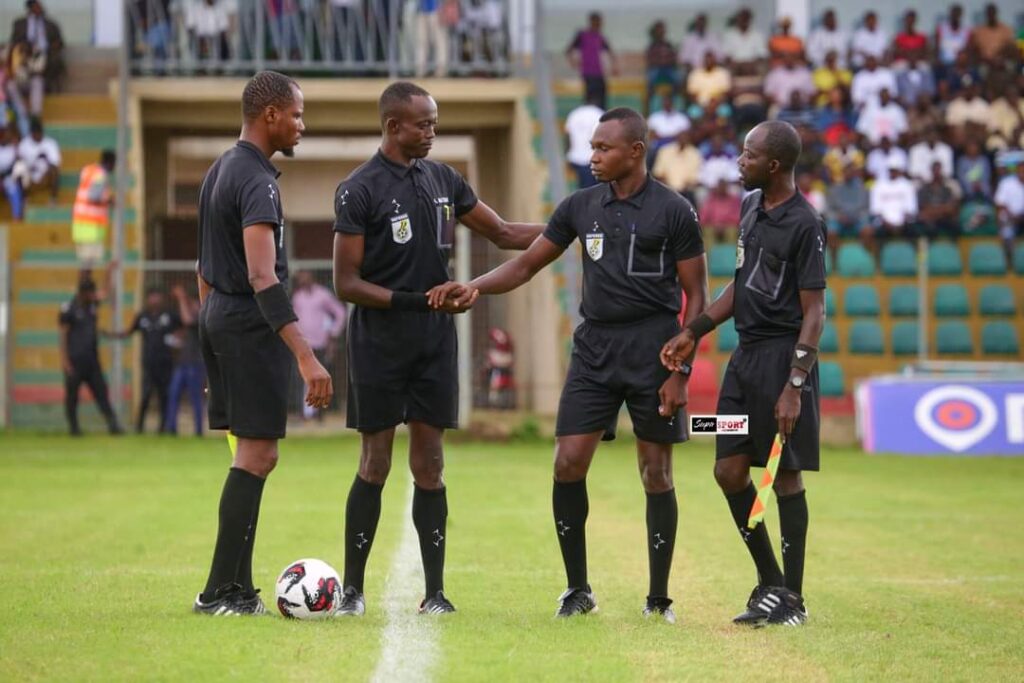
The GFA has attempted to address officiating shortfalls by dispatching funds to regional associations to cover refereeing fees and investing in referee development programmes including the catch them young referee initiative. But these efforts, while commendable, are small steps in the face of systemic challenges that require sustained funding, training and governance reform.
Football is no longer won on raw talent alone, it’s cultivated through world-class coaching, sports science, analytics, and psychology. Yet Ghana football’s professional support infrastructure remains underdeveloped.
Many coaches, especially at the grassroots levels, work without continuous professional development, and there is no comprehensive licensing standard enforced across the system.
Meanwhile, the broader ecosystem, including sports psychologists, fitness trainers, and analysts, has yet to become commonplace. This diminishes players’ preparation and restricts their ability to compete evenly on the world stage.
Without investment in technical expertise, Ghana risks repeating patterns of early exits from international competitions, despite world-class players. Perhaps the most persistent challenge is the absence of a cohesive national football strategy. A vision that aligns grassroots programmes, league systems, talent development and governance under one sustainable framework.
Despite Ghana’s proud football history, experts point to a lack of long-term planning and inadequate policy continuity across administrations. This governance vacuum undermines consistent development, leaving stakeholders to fill gaps with ad hoc initiatives rather than strategic action.
Youth development programs remain inconsistent, exposing gaps in scouting, coaching education, and player transition from school and community levels into professional structures.
No matter how vibrant the world cup campaign might be, the quality of players emerging from Ghana’s football pipeline will ultimately be determined by sustained investment in a strategic, long-term development policy, something that is currently lacking.
So, does qualifying for the 2026 world cup matter? Absolutely. It provides international exposure, potential economic windfalls from FIFA prize money, and a morale boost to fans, but without structural reform, those gains risk being ephemeral.
Ghana now has an opportunity, perhaps it’s greatest in decades, to turn short-term success into long-term transformation. Proposals have already surfaced to harness world cup revenue as seed capital for a sports development fund, a sustainable mechanism to invest in infrastructure, coaching, and grassroots programmes.
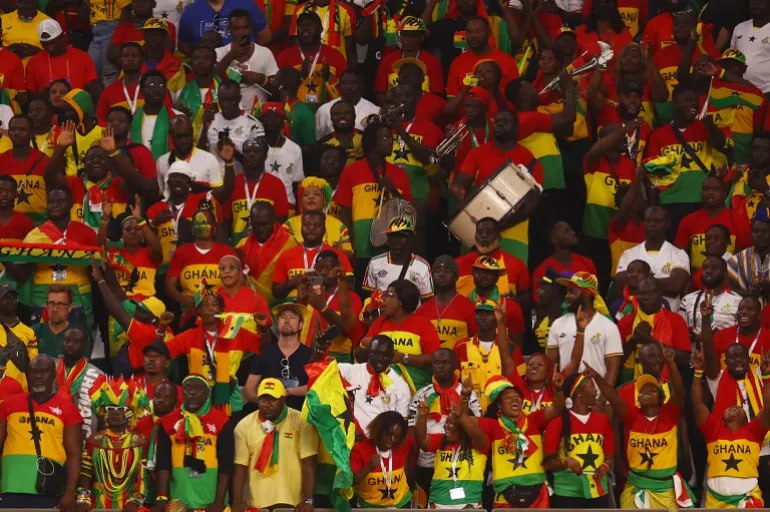
If implemented with transparency and accountability, such a fund could counter the piecemeal approach that has long stifled growth. Ghana’s journey to and at the 2026 world cup should be celebrated. It’s a testament to the skill, passion, and resilience of players and coaches who have carried the black stars through qualifying. Yet this achievement should not blind us to the persistent cracks in the foundation of Ghanaian football.
For fans that yearn not just for participation but for success, on the continent and on the global stage the real work begins now. Building modern infrastructure, improving player welfare, professionalizing officiating, and crafting a clear football DNA will require collaboration, investment, and vision. Make no mistake, qualification is a milestone, but it is not the final destination.
BY: ADDY KENNEDY EDEM
0 Comments