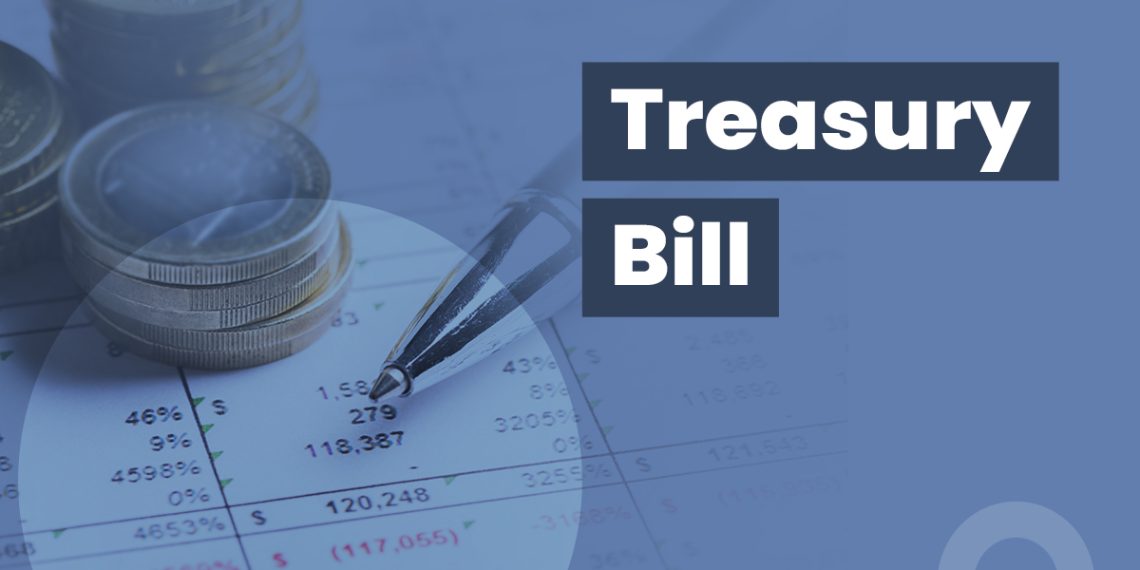
Treasury bill yields fell sharply at the first auction of February, as strong investor demand and elevated liquidity conditions in the money market exerted downward pressure on rates.
According to data from the Bank of Ghana, total bids reached GH¢17.24 billion, surpassing the government’s target of GH¢4.98 billion. The Treasury accepted GH¢5.83 billion, reflecting robust appetite for short-term government securities.
The 364-day bill recorded the highest demand for the third consecutive week, attracting GH¢6.94 billion in bids, of which GH¢2.00 billion was accepted.
The 91-day bill garnered GH¢6.57 billion in tenders, with GH¢2.52 billion taken up, while the 182-day bill received GH¢3.72 billion in bids, out of which GH¢1.30 billion was accepted.
On a week-on-week basis, yields declined across all tenors. The 91-day bill dropped by 86 basis points to 9.96 percent from 10.82 percent. The 182-day bill fell by 57 basis points to 11.81 percent from 12.38 percent, while the 364-day instrument declined by 76 basis points to 12.06 percent from 12.82 percent.
The sharp fall in yields can be attributed to excess liquidity significantly outpacing the Treasury’s funding needs. With demand exceeding the target by approximately 246 percent, downward adjustments in rates were largely expected.
Despite the compression in yields, market analysts anticipate sustained investor participation in upcoming auctions, supported by prevailing liquidity conditions and continued preference for the 364-day tenor due to its relatively attractive returns.
They further project that yields may continue trending downward until they reach levels deemed unattractive to investors, at which point capital could gradually shift toward equities or other higher-yielding instruments.
For the next auction, the government has raised its issuance target to GH¢6.42 billion, underscoring its continued reliance on the domestic money market to meet short-term financing requirements.










0 Comments