Remittance inflows from the United Kingdom remain a critical source of foreign exchange for Ghana, but new data from the Bank of Ghana (BoG) suggests the corridor is losing momentum, a trend authorities say must be urgently addressed through targeted policies and smarter use of diaspora funds.
Between January and September 2025, remittances from the UK accounted for about 17.5% of total inflows into Ghana, according to the central bank.
While still significant, the figure marks a notable decline from the same period in 2024, when the UK corridor contributed roughly 28%, representing more than a quarter of all remittance receipts.
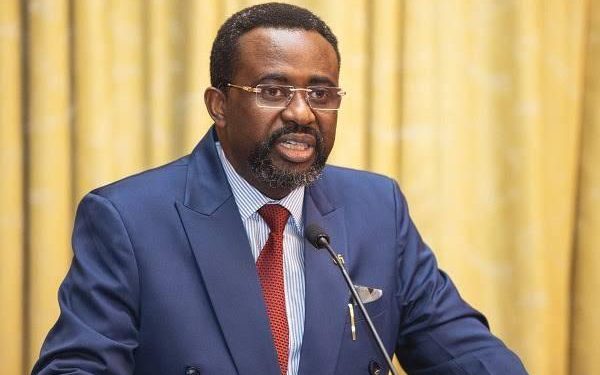
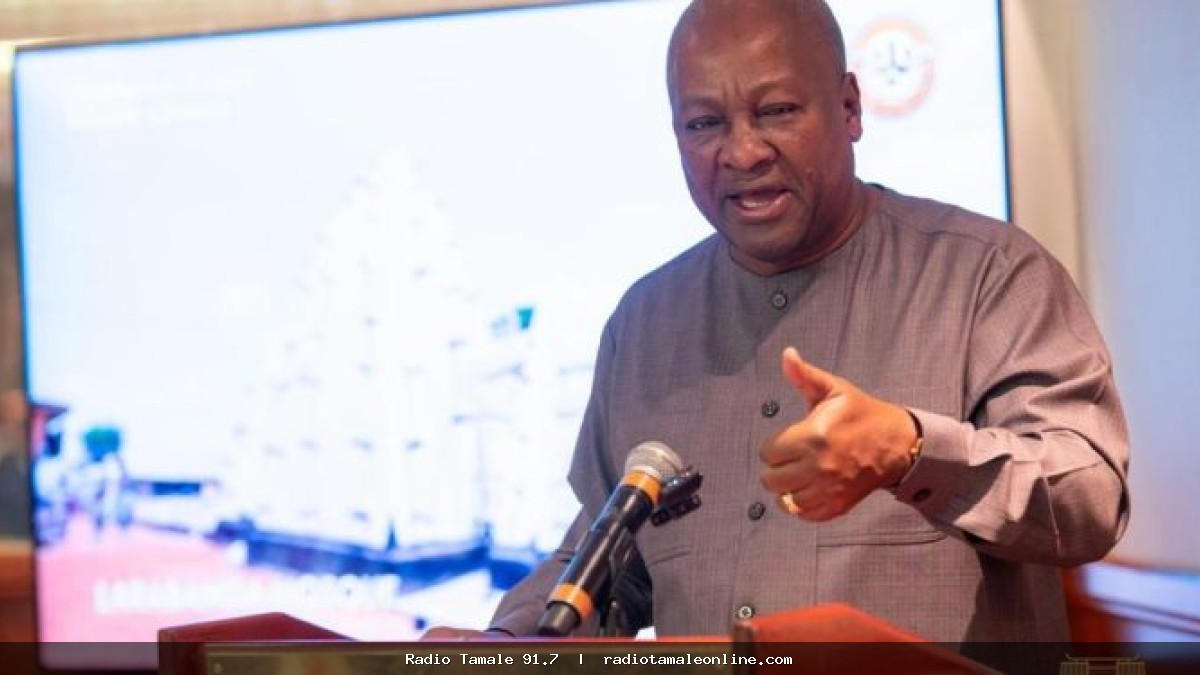
Speaking at the London–Accra Economic Growth Summit at the Bank Square in Accra, Governor of the Bank of Ghana, Dr. Johnson Asiama, said the data highlights both the importance of diaspora inflows and the need to rethink how they are harnessed.
“Diaspora inflows must be harnessed beyond consumption and deliberately channelled into sustainable investment, investment that drives long-term growth,” Dr. Asiama said.
He acknowledged that remittances already play a vital role in supporting household consumption, strengthening Ghana’s balance of payments, and enhancing macroeconomic stability.
However, he stressed that their full economic potential remains largely untapped.
“Beyond consumption, remittances hold even greater potential as a driver of productive investment,” the Governor noted.
Dr. Asiama explained that when strategically channelled, diaspora funds can help finance small and medium-sized enterprises, expand housing supply, modernise agriculture, and create sustainable employment opportunities for young people through structured knowledge and skills transfer programmes.
He described remittances as a “structurally important and counter-cyclical source of foreign exchange” for Ghana, particularly at a time when global capital flows remain volatile.
Despite the recent decline, the Governor said there is “considerable scope to scale up remittance inflows from the UK” through well-targeted policy measures and incentive-based frameworks.
At the Bank of Ghana, he added, efforts are underway to strengthen payment systems and regulatory frameworks to ensure remittance flows remain efficient, transparent, and supportive of foreign exchange market stability, positioning diaspora capital not just as a safety net, but as a long-term engine for growth.





0 Comments