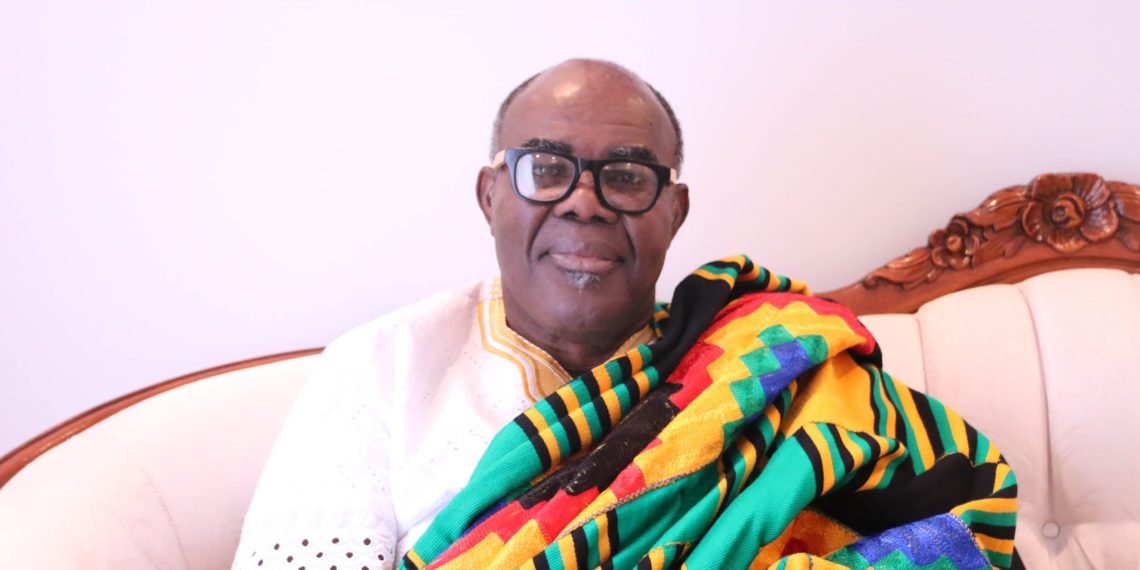
Former Attorney General Nii Ayikoi Otoo has called for sweeping constitutional reforms to strip the Attorney General of powers that allow politically sensitive criminal cases to be discontinued, arguing that the current framework leaves anti-corruption prosecutions vulnerable to executive influence.
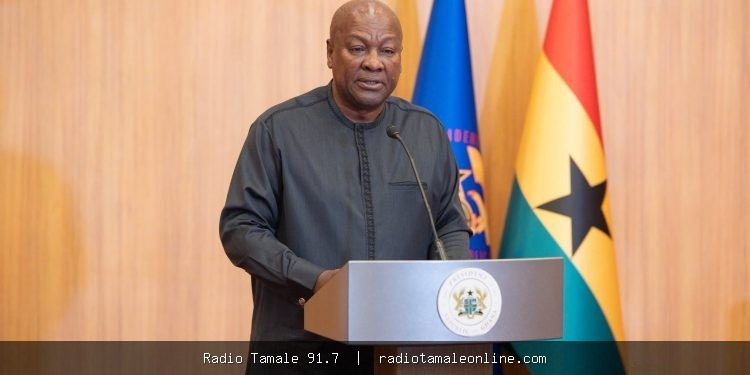
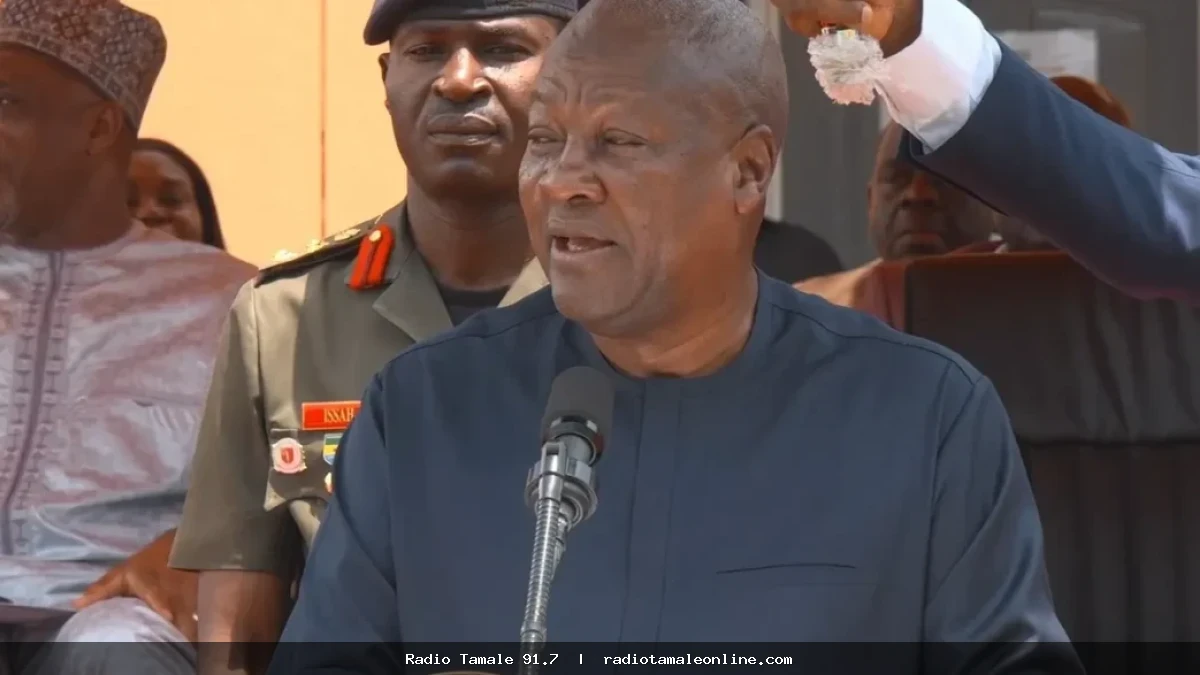
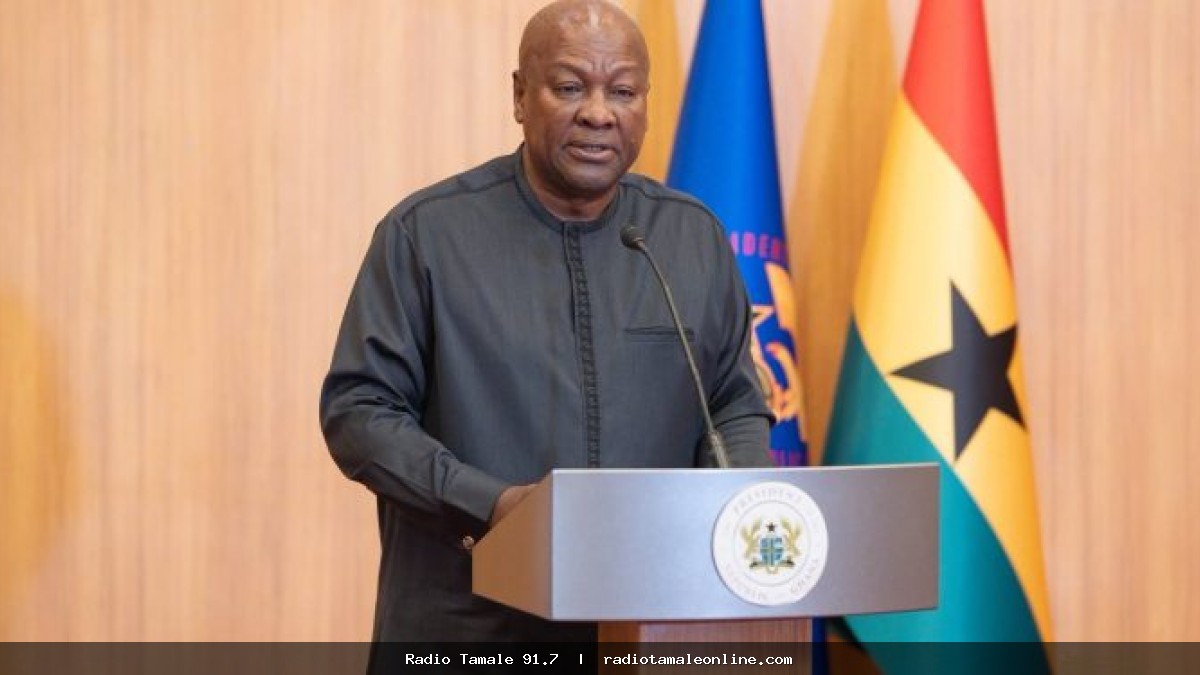
Reacting to the Constitutional Review Committee’s report presented to President John Dramani Mahama, Otoo said Article 88 of the 1992 Constitution has weakened Ghana’s fight against corruption by concentrating prosecutorial authority in the hands of a political appointee.
Speaking on The Forum, on Asaase Radio, Otoo said the establishment of the Office of the Special Prosecutor (OSP) was itself an admission that the Attorney General’s dual role as chief prosecutor and cabinet minister creates inherent conflicts of interest.
“The very reason the OSP was established was because the attorney general is a minister and a member of government,” Otoo said. “He may not be able to deal with certain matters independently.”
Despite the creation of the OSP, Otoo argued that constitutional arrangements still require the Attorney General to nominate or authorise prosecutors, resulting in what he described as unclear and overlapping mandates among key institutions, including the OSP and the Economic and Organised Crime Office (EOCO).
He pointed to the prosecution of a former sanitation minister as a case that exposed the legal ambiguities created by the current prosecutorial structure.
Otoo also criticised the Attorney General’s constitutional authority to invoke nolle prosequi, a mechanism that allows the state to discontinue criminal proceedings, warning that it has often been deployed following changes in government.
“If a new government comes in, the attorney general can discontinue all cases, even where a prima facie case has been established and the accused has been called to open their defence,” he said. “[And] nobody seems to care.”
According to Otoo, repeated instances where cases involving former ministers and politically connected individuals were dropped after electoral transitions have steadily undermined public trust in Ghana’s justice system.
The former Attorney General said genuine reform would require entrenching the prosecutorial independence of bodies such as the OSP within the constitution itself, rather than leaving them subject to statutory arrangements overseen by the Attorney General.
“If you want to give anybody power to do these things, make it a constitutional provision,” he said. “Once it is in the constitution, it is no longer the remit of the attorney general.”
The Constitutional Review Committee was mandated to examine Ghana’s 1992 Constitution in response to growing demands for reforms aimed at strengthening accountability, curbing executive dominance, and restoring confidence in public institutions.




0 Comments