

Renowned Ghanaian business leader Sir Samuel Esson Jonah has called on the African Union (AU) to resist what he describes as a new wave of “imperial rhetoric” and embrace “unashamedly selfish” economic sovereignty.
The open letter, dated February 18, 2026, and addressed to AU Heads of State, was prompted by remarks from U.S. Secretary of State Marco Rubio at the Munich Security Conference. Sam Jonah said Rubio’s speech, which lamented the decline of Western empires and urged Europe to shed “guilt and shame” over its colonial past, amounted to a “veiled call for a return to imperial dominance.”
“Global powers still view Africa as a land ripe for extraction,” Jonah warned, referencing Canadian Prime Minister Mark Carney’s warning: “If we are not at the table, we are on the menu.”
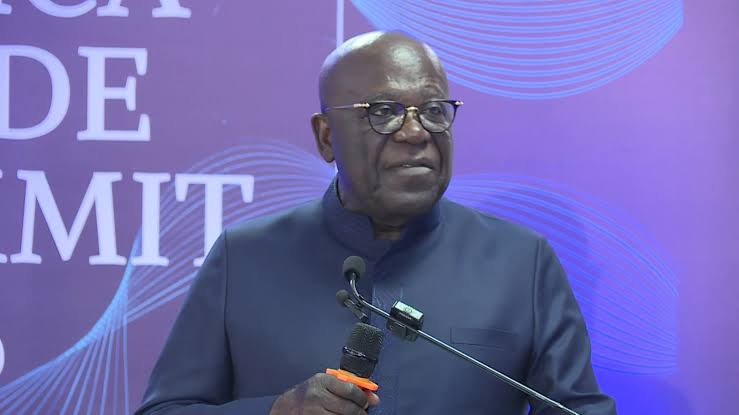
Sam Jonah, the Executive Chairman of Jonah Capital and former architect of Ashanti Goldfields’ rise into a multinational, argued that while formal colonialism may have ended, Africa continues to face exploitation through “embedded global economic structures” and rising debt.
The letter proposes a five-point roadmap for African economic and political independence:
- Accelerate AfCFTA Implementation – Complete negotiations on rules of origin, services, and investment; invest in digital trade platforms and cross-border infrastructure to boost manufactured goods exports.
- Ratify and Enforce Free Movement – Unlock the Protocol on Free Movement of Persons to fully harness Africa’s human capital.
- Build Internal Resilience – Reduce donor dependency, reform fiscal policies, invest in sustainable agriculture, and focus on value addition rather than raw exports. Strengthen continental security through the African Union’s Peace and Security Architecture.
- Empower Youth and Institutions – Address governance crises, engage youth protests constructively, and strengthen institutions to fight corruption, inequality, and democratic backsliding.
- Forge a Unified Foreign Policy – Speak with one voice in global forums, reject neocolonial overtures, and prioritize African interests.
Invoking the legacy of pan-African icons like Kwame Nkrumah and Thomas Sankara, Jonah concluded: “Africa is not a footnote in history; we are its authors.”