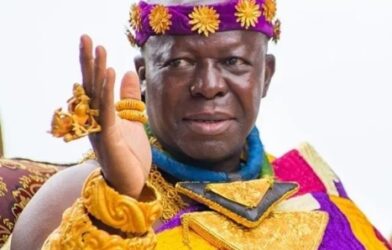



Otumfuo Osei Tutu II, the Asantehene, has officially destooled Oheneba Akyaa Panin III from the Apatrapahemaa position following revelations about her non-royal lineage. The action effectively ends her tenure as custodian of the Apatrapa female stool.
The destoolment took place on January 12, 2026, at the Manhyia Palace, where the Queen appeared before His Majesty regarding her claim to the Bosom Prah Kumaa Stool, which is historically tied to the Apatrapa lineage.
Oheneba Akyaa Panin III had asserted her entitlement to the Bosom Prah Kumaa Stool, challenging the descendants of Nana Kwafo, the first occupant. However, the family, represented by Ama Agyeiwaa, maintained that she was not of royal blood, noting that her mother had joined the family only as a caretaker.
Over time, the stool’s succession had shifted due to a lack of a male heir, but the family insists the stool should have remained within their lineage.
Despite previous attempts to resolve the matter, including legal and traditional interventions, Otumfuo ruled that Oheneba Akyaa Panin III has no legitimate connection to the Bosom Prah Kumaa Stool. Historical accounts presented by the Asantehene traced the stool’s lineage, excluding her maternal line, and affirmed that her claims were unfounded.
During proceedings, Maame Pomaa, a family member contesting the Queen’s legitimacy, testified that prior efforts to reclaim the stool had been obstructed, and she alleged being intimidated on several occasions while pursuing the matter. The Asantehene considered these testimonies in reaching his decision.
The destoolment ceremony was conducted privately at Manhyia Palace, during which Oheneba Akyaa Panin III’s traditional footwear was ceremonially removed. Following the ruling, His Majesty directed Maame Pomaa to identify a suitable successor for the Apatrapa Stool and entrusted her with the interim management of its affairs.
The decision underscores the continued importance of lineage and legitimacy in the succession of Asante stools, reaffirming traditional protocols that govern the selection and installation of chiefs and queen mothers.